Modern consumers are scrutinizing cosmetic ingredient labels more rigorously than ever before. For decades, industrial-grade detergents dominated the personal care market, often leaving delicate hair strands feeling dry, brittle, and severely tangled. As the demand for clean beauty and sustainable hair care accelerates, savvy formulators are actively replacing harsh petrochemicals with milder, plant-derived alternatives. One specific ingredient you will frequently encounter in premium, sulfate-free formulations is Lauryl Glucoside.
But what exactly is the chemistry behind this highly sought-after cleanser? Is its safety profile robust enough for long-term scalp health? In this technical guide, we will break down the chemical properties, dermatological safety, and practical formulation benefits of this non-ionic surfactant. You will discover precisely why it has become an indispensable raw material for engineers developing solutions for sensitive skin and compromised hair barriers.
Key Takeaways
Botanical Origin: Synthesized from renewable natural resources, primarily corn starch and sustainably sourced palm kernel or coconut oil.
Superior Safety Profile: Widely recognized by cosmetic chemists and dermatologists as non-toxic and highly biodegradable, making it a cornerstone for eco-friendly product lines.
Barrier Protection: Effectively cleanses excess sebum without disrupting the essential lipid layer of the scalp, unlike traditional anionic detergents.
Cuticle Integrity: Lifts environmental debris gently, preventing the hair cuticle from swelling and stripping natural moisture.
Formulation Synergy: Acts as an excellent thickener and co-surfactant, optimizing foam stability and viscosity in professional manufacturing.
Industry Trends: The Shift Toward Bio-Based Surfactants
Recent market analyses highlight a massive transformation within the global personal care sector. Driven by the skinification of hair movement, consumers now treat their scalp health with the same rigorous attention as their facial skincare routines. This behavioral shift has created a surging demand for bio-based, exceptionally mild cleansing agents.
Furthermore, stringent regulatory pressures regarding aquatic toxicity and the restriction of 1,4-dioxane byproducts are forcing manufacturers to rethink their fundamental formulas. Petrochemical derivatives are being rapidly phased out. In their place, natural compounds are stepping into the spotlight. Consequently, chemical engineers are leveraging sustainable options to meet both elevated consumer expectations and strict global ecological standards, ensuring products are as safe for marine ecosystems as they are for human skin.
What is Lauryl Glucoside? Understanding the Chemistry
To truly grasp how your daily cleansing routine impacts hair vitality, we must examine the underlying chemistry of the surfactants involved. Belonging to a class of botanical ingredients known as Alkyl Polyglucosides, or APGs, this compound functions as a non-ionic surface-active agent. In technical terms, a surfactant lowers the surface tension between water and stubborn scalp oils, allowing them to emulsify and rinse away cleanly.
The manufacturing process relies entirely on green chemistry principles. It is synthesized through the glycosidation of a fatty alcohol with glucose, which is a simple sugar extracted from corn or wheat. The fatty alcohol portion typically features a carbon chain length of C12 to C14. Because the resulting molecule carries a neutral electrical charge, it behaves entirely differently than aggressive anionic surfactants, which carry a negative charge and are notorious for their severe degreasing power.
In modern laboratory formulations, it is utilized not only for its superior cleansing ability but also for its exceptional talent as a natural emulsifier. It keeps water-based botanical extracts and oil-based conditioning agents perfectly homogenized within the final product.
Why It is the Gentle Choice for Hair Care
The modern shift toward gentle hair care is a direct reaction against the historical overuse of strong industrial detergents. The primary distinction between this sugar-based cleanser and traditional sulfates, such as Sodium Lauryl Sulfate, lies in their microscopic interaction with the hair cuticle and the stratum corneum of the scalp.
Sulfates are ruthlessly efficient degreasers. When massaged into the roots, they can denature vital keratin proteins and strip away the natural lipids required to keep the hair shaft hydrated. In stark contrast, our plant-derived alternative operates with a highly sophisticated mechanism. Lacking an aggressive electrical charge, it does not fiercely bind to human proteins. Instead, it forms gentle spherical micelles that encapsulate dirt, sweat, and styling product buildup. These impurities are then washed down the drain without forcing the hair cuticle to swell.
Preventing cuticle swelling is absolutely critical for moisture retention. When the outer layer remains flat and intact, the inner cortex retains its hydration. This makes it an optimal solution for individuals managing dry, brittle, or naturally curly hair types that are inherently prone to chronic moisture loss. Beyond personal health, this Green nonionic surfactant extends benefits to the environment. As a readily biodegradable compound, it breaks down swiftly in wastewater treatment facilities without accumulating in aquatic ecosystems.
Scientific and Safety Overview
When evaluating the true safety of any chemical raw material, objective clinical data is paramount. This compound has been extensively studied and holds an impeccable safety record across multiple global regulatory bodies. In respected safety databases, including the Environmental Working Group Skin Deep database, it consistently receives the lowest possible hazard ratings.
The Cosmetic Ingredient Review Expert Panel, an independent scientific body, has thoroughly evaluated Alkyl Polyglucosides. Their clinical assessments concluded that these ingredients are entirely safe for cosmetics under current manufacturing practices. Repeated patch testing demonstrates that it acts neither as a primary skin irritant nor as a sensitizing agent.
Due to its remarkably low potential for causing ocular irritation, formulators frequently select it for pediatric dermatology. You will routinely find it listed as a foundational ingredient in tear-free baby shampoos and dermatologically tested body washes designed for patients suffering from compromised skin barriers, eczema, or psoriasis. Its non-toxic nature ensures a thorough cleanse without triggering the inflammatory cascades that lead to itchy, flaky scalps.
Comparing Glucosides: Lauryl vs. Decyl vs. Coco
In the realm of natural formulations, you will often encounter a trio of closely related APG ingredients. While they all belong to the same chemical family, their distinct physical properties and rheological behaviors are dictated by the length of their carbon chains. Understanding these structural differences explains why cosmetic chemists rarely use just one, opting instead to blend them for optimal performance.
Feature
Decyl Glucoside
Coco Glucoside
Lauryl Glucoside
Carbon Chain Length
Short C8 to C10
Medium C8 to C16
Long C12 to C14
Foam Profile
High volume, quick flash foam, larger bubbles.
Moderate foam, well-balanced bubble size.
Slower to foam, produces a dense, rich, creamy lather.
Viscosity
Very low, watery consistency.
Medium viscosity.
High viscosity, excellent for thickening formulas naturally.
Cleansing Power
High cleaning strength, excellent for clarifying.
Balanced cleaning and mildness.
Extremely mild, offering a highly conditioning feel.
Because it possesses a longer carbon chain, it is naturally more oil-loving than its shorter-chain counterparts. This structural characteristic is responsible for its thicker, gel-like consistency and its ability to produce a luxurious, lotion-like lather. By strategically blending it with Decyl Glucoside, formulators engineer shampoos that lather quickly upon contact with water, feel rich during application, and cleanse effectively while maintaining a consumer-friendly texture.
Engineering Formulation Standards and Selection Criteria
For industrial buyers and cosmetic engineers, sourcing high-quality raw materials requires strict adherence to technical specifications. Moving away from basic consumer label reading, professionals must evaluate the chemical parameters to ensure stability and performance.
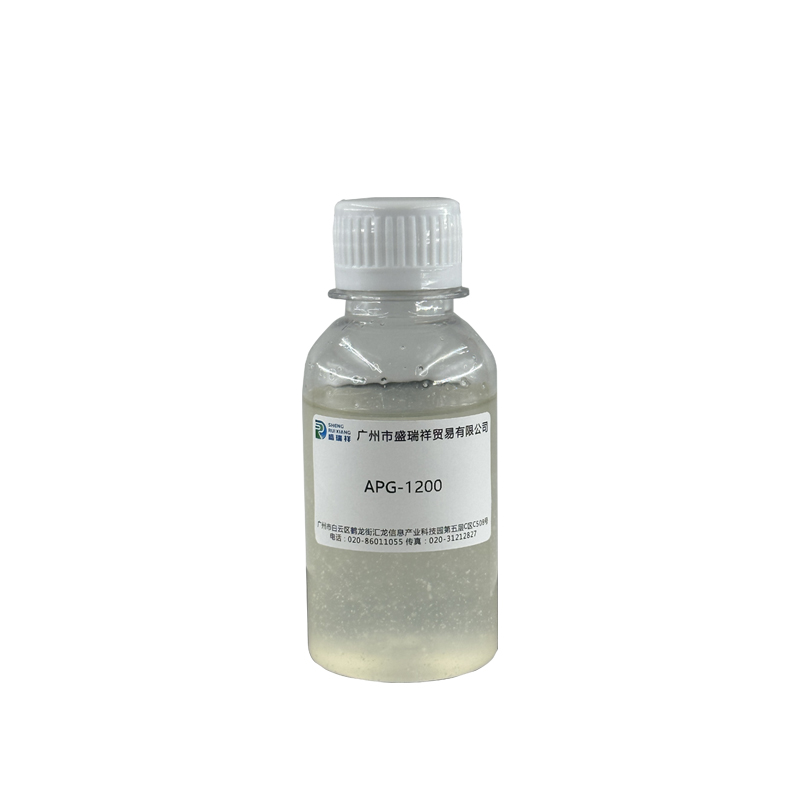
When selecting a supplier for this raw material, often traded under names like Plantacare 1200 UP, engineers look for the specific registry identifier CAS 110615-47-9. A premium grade product typically presents as a cloudy, viscous aqueous solution. Crucial parameters include an active substance content of 50 to 53 percent and a naturally high pH value ranging from 11.5 to 12.5. This elevated pH is intentionally maintained by manufacturers to prevent microbial growth during storage and transport without relying on synthetic preservatives.
During the compounding phase, formulators must account for its high viscosity, which typically ranges from 1000 to 2500 mPa.s. It often requires gentle heating before it can be seamlessly incorporated into a cold-process surfactant chassis. When shopping for clean beauty products, looking for third-party ecological certifications, such as COSMOS or Ecocert, serves as a reliable shortcut, as these strict organizations readily approve this compound for use in certified organic cosmetics.
Benefits for Specific Hair Types
The inherently mild nature of this non-ionic cleanser translates into highly tangible benefits for various hair types, particularly those easily compromised by environmental factors or chemical styling.
Color-Treated Hair: One of the fastest ways to strip expensive salon hair dye is by using aggressive detergents. They lift the microscopic shingles of the cuticle, allowing water to flood the inner cortex and wash away deposited color molecules. Because this ingredient cleanses without raising the cuticle, it actively helps lock color pigments inside the hair shaft, significantly prolonging vibrancy.
Sensitive and Reactive Scalps: For individuals plagued by chronic itchiness or flaking, the choice of surfactant is critical. Chemical-heavy products strip the protective acid mantle, frequently triggering an overproduction of oil as the skin desperately tries to compensate. By removing only excess debris and leaving essential oils intact, high-quality formulations provide immediate relief for reactive scalps and minimize detergent-induced contact dermatitis.
Fine and Thinning Hair: People with fine hair often struggle in a frustrating cycle. They need thorough cleansing to prevent limpness, but heavy moisturizing shampoos weigh their hair down. This plant-based surfactant offers a perfectly lightweight cleanse. It effectively removes daily buildup without leaving behind a greasy film, allowing fine strands to retain natural volume and bounce.
Potential Drawbacks and Formulation Challenges
While the benefits of this botanical cleanser are vast, an objective engineering evaluation requires acknowledging its practical limitations. No single cosmetic ingredient is universally perfect, and managing expectations is key to a successful transition to natural hair care.
The most common consumer complaint revolves around foam kinetics. For decades, consumers have been psychologically conditioned to associate massive clouds of fluffy foam with cleanliness, a sensory illusion engineered by cheap sulfates. This non-ionic surfactant simply does not behave this way. Because of its larger molecular structure, it produces a tighter, more subdued lather close to the scalp. First-time users often incorrectly assume their hair is not getting clean, leading them to wastefully apply too much product. The cleansing mechanism is fully active even without the theatrical foam.
Additionally, specific conditioning needs must be addressed. Because it solubilizes surface oils without leaving synthetic lubricating coatings behind, hair washed with a pure glucoside solution can sometimes feel slightly tangled or straw-like while wet. To counteract this friction, skilled cosmetic chemists carefully balance the formula by pairing it with cationic conditioning polymers or natural humectants like vegetable glycerin. Always follow up with a high-quality, hydrating conditioner to ensure optimal slip and combability.
Conclusion
Integrating advanced green chemistry into daily personal care offers a reliable solution for those seeking a balance between thorough cleansing and optimal hair health. By replacing moisture-stripping petrochemicals with this mild, sugar-based alternative, you can maintain a resilient lipid barrier without sacrificing performance. Whether you are formulating for highly sensitive scalps, preserving expensive color treatments, or simply aiming to build a more environmentally responsible product line, selecting premium raw materials is the first critical step.
If you are a formulator, brand owner, or cosmetic engineer looking to upgrade your surfactant chassis with sustainable, high-performance ingredients, explore the technical specifications and source industrial-grade BASF APG 1200 directly from verified suppliers to ensure your next cosmetic launch meets the highest global standards.
Q: Is Lauryl Glucoside a sulfate?
A: No, it is absolutely not a sulfate. Sulfates belong to a category of chemicals known as anionic surfactants, which carry a strong negative charge that can aggressively disrupt the skin barrier. In stark contrast, this is a plant-derived non-ionic surfactant. Its molecular structure carries no electrical charge, allowing it to interact far more gently with the proteins in your hair and the lipid barrier of your scalp.
Q: Does it cause hair loss?
A: There is no empirical scientific evidence suggesting that this ingredient causes hair loss. Alopecia is a complex biological issue typically driven by genetics, hormonal fluctuations, or severe physiological stress. Surface-level cleansing agents do not penetrate deeply enough to permanently damage the hair follicle bulb. By utilizing a gentle cleanser that prevents chronic scalp inflammation, you are actively supporting a healthier environment for natural hair growth.
Q: Can I use products containing this on my curly hair?
A: Absolutely. It is widely considered one of the premier cleansing ingredients for curly, coily, and highly textured hair types. Curly hair is structurally unique and inherently prone to chronic dryness because the natural oils struggle to travel down the twisted hair shaft. This ingredient cleanses environmental pollutants through a gentle micellar action that lifts debris without stripping desperately needed natural lipids, resulting in reduced frizz and improved curl definition.
Q: Why does my natural shampoo not foam as much?
A: The difference in foaming behavior comes down to physical chemistry. Traditional sulfates create high-volume flash foam because their small molecules pack together rapidly, trapping large pockets of air. This botanical alternative forms micelles very efficiently to trap dirt, but its larger, sugar-based molecular head prevents it from trapping massive amounts of air. Therefore, the foam it produces is much denser and lower in volume. The active cleansing mechanism is still working diligently.
Q: Is it safe for babies and infants?
A: Yes, it is exceptionally safe for infants and serves as a foundational ingredient in many premium pediatric personal care formulations. An infant's skin barrier is significantly thinner and more permeable than an adult's, making it susceptible to chemical irritation. Because this molecule is large and non-ionic, it does not easily penetrate the skin. Its excellent dermatological compatibility means it can effectively cleanse delicate skin without causing stinging or redness.
Q: Does it build up on the hair over time?
A: No, it does not cause buildup. Unlike synthetic silicones or heavy polyquaterniums that can coat the hair shaft and accumulate over multiple washes, this is a highly water-soluble surfactant. It binds to oils and dirt, and once you rinse your hair with water, the entire complex washes down the drain completely, leaving the hair surface clean and residue-free.
Q: Is it safe for the environment and highly biodegradable?
A: Yes, its environmental profile is one of its strongest assets. Synthesized from renewable plant resources like corn and coconut, it is fully and rapidly biodegradable. It does not persist in wastewater systems or natural waterways, and it exhibits extremely low toxicity to aquatic life, making it a preferred choice for eco-conscious brands and consumers.