Struggling with pigment settling or persistent brush marks in your waterborne systems? Achieving the perfect balance between flow, leveling, and long-term stability is notoriously difficult. Without precise chemical interventions, formulations often fail. Using the wrong additive does not merely reduce product quality. It can ruin an entire production batch, leading to disastrous sagging, syneresis, or roller spatter.
Formulators are actively moving away from single-purpose thickeners. They now seek multi-functional Rheology Agents that comply with strict environmental regulations without sacrificing physical performance. In this comprehensive engineering guide, you will discover how to navigate shear profiles, evaluate chemical classifications, and confidently select the perfect rheological package for your specific matrix.
Key Takeaways
Rheology goes beyond simple thickening: It dictates how a product behaves under varying physical forces, including warehouse storage, application friction, and the curing process.
Match the agent to the shear rate: Low-shear agents prevent pigment settling and sagging. Mid-shear agents improve in-can appearance. High-shear agents control film build and prevent roller spatter.
Understand chemical families: Cellulosics, Acrylics, Polyurethanes, and Inorganics each offer distinct advantages and specific limitations in water-based systems.
System compatibility is critical: Factors such as baseline pH, surfactant presence, and co-solvents will heavily influence the stability of your chosen additives.
Smart responsive agents are the future: Advanced multi-scenario adaptive polymers offer versatile, high-efficiency solutions for complex and modern formulations.
Industry Trends: The Shift Toward Sustainable Fluid Control
Recent industry analyses highlight a significant paradigm shift in how fluid dynamics are managed. Global manufacturers are aggressively transitioning toward eco-friendly, zero-VOC formulations. This regulatory and consumer-driven pressure has skyrocketed the demand for high-performance, sustainable rheology modifiers. Traditional solvent-heavy thickeners are rapidly becoming obsolete.
Modern formulators face a unique challenge. They must remove volatile organic compounds while maintaining the luxurious application feel and robust stability that consumers expect. This has led to a surge in the development of highly efficient, cross-linked synthetic polymers. These advanced materials deliver superior yield values at lower concentration levels, reducing the overall chemical footprint of the final product while streamlining manufacturing processes.
What Are Water-Based Rheology Agents?
Water-based rheology modifiers are specialized chemical additives integrated into fluid formulations to precisely control viscosity and flow characteristics. Unlike basic thickeners that merely increase the static resistance to flow, true rheological agents engineer the dynamic response of a fluid across a spectrum of physical stresses.
The mechanism of action in waterborne systems generally falls into two primary categories. The first is hydrodynamic volume increase. In this mechanism, polymer chains uncoil and swell when hydrated or neutralized by an alkali. This action absorbs water and physically restricts the movement of other molecules, creating a highly structured matrix that drives up viscosity.
The second category is associative thickening. This involves polymers engineered with both water-repelling hydrophobic segments and water-attracting hydrophilic segments. The hydrophobic groups form temporary, dynamic networks by linking with other non-polar components in the formulation, such as latex binder particles, pigments, and surfactant micelles. When physical shear force is applied, these temporary bonds break smoothly, allowing the fluid to flow effortlessly. Once the force is removed, the bonds instantly reform, restoring the original viscosity.
Understanding the nuance between a standard thickener and an advanced modifier is crucial for any formulation engineer. A basic thickener might create a highly viscous, gelatinous mass that is incredibly difficult to spread. A sophisticated modifier provides precise shear-thinning behavior. It flows easily under pressure while maintaining thixotropic properties to ensure optimal performance during storage and end-user application.
Understanding Rheology Profiles: The Role of Shear Rates
To select the appropriate additive, formulators must grasp the concept of shear rate. Shear rate refers to the velocity gradient created when a fluid is subjected to physical force. Different stages of a product lifecycle exert entirely different shear rates on the liquid matrix.
Low-Shear Viscosity for Resting States Low-shear conditions occur when the product is simply sitting in its container or immediately after it has been applied to a surface. Imagine a freshly coated vertical wall. The low-shear environment dictates whether that paint stays put or drips down to the baseboard. High viscosity at low shear rates establishes a yield stress network. This network suspends heavy pigment particles, preventing them from settling at the bottom of the vat. It also stops vertical sagging and dripping.
Mid-Shear Viscosity for Pouring and Mixing Mid-shear rates are applied when the product is stirred, mixed, or poured from its container. The viscosity at this stage affects the visual perception of product quality, often referred to as the in-can appearance. It also dictates how easily a paint or coating is picked up by a brush or roller. If the mid-shear viscosity is too high, the product may appear stringy or refuse to level properly inside the can.
High-Shear Viscosity for Application Dynamics High-shear conditions occur during high-friction activities such as brushing, rolling, or high-pressure airless spraying. Viscosity under high shear directly controls the film thickness applied to the substrate. Proper high-shear viscosity ensures adequate hiding power and facilitates smooth transfer from the tool to the surface. It also prevents the formulation from atomizing incorrectly or causing messy roller spatter.
Main Types of Water-Based Rheology Agents
Selecting the correct chemical class is the most critical decision in formulating water-based systems. Each category interacts uniquely with water, binders, and co-solvents. Formulators must weigh the specific advantages and limitations of each family.
Cellulosic Thickeners
Long considered the traditional workhorses of the industry, cellulosic thickeners like Hydroxyethyl Cellulose and Hydrophobically Modified HEC are widely utilized non-ionic polymers derived from natural cellulose. They offer excellent compatibility with a vast array of formulation ingredients. They also provide exceptional water retention, which extends the open time of coatings. Because they are non-ionic, their performance remains stable across a very wide pH range.
On the downside, standard cellulosics typically impart poor leveling properties, leaving visible brush marks on the dried film. Their high molecular weight can cause extreme elasticity under shear force, leading to significant roller spatter. Being naturally derived, they are also highly susceptible to enzymatic and microbial attack.
Acrylic Thickeners
Acrylic modifiers are synthetic polymers divided into Alkali-Swellable Emulsions known as ASE and Hydrophobically modified Alkali-Swellable Emulsions known as HASE. These agents are highly cost-effective and provide excellent low-shear viscosity. ASE polymers are exceptional at creating high-yield stress, making them perfect for aggressive anti-sagging applications.
However, they are strictly pH-dependent. They remain tightly coiled and inactive at an acidic pH. The formulation must be neutralized with an alkali to a pH above 8 to trigger the swelling mechanism. Their highly water-soluble nature can also negatively impact the water resistance of the final cured film.
Polyurethane Thickeners
Hydrophobically modified Ethylene Oxide Urethanes, commonly referred to as HEUR, are the industry standard for associative thickening in premium waterborne systems. HEUR agents provide exceptional flow and leveling, allowing coatings to melt into a smooth, glass-like finish. They excel at building high-shear viscosity, which guarantees excellent film build while virtually eliminating roller spatter. Since HEUR performance relies entirely on associative networks, they are highly sensitive to the presence of surfactants, co-solvents, and the specific particle size of the latex binder.
Inorganic Rheology Agents
Inorganic agents consist of highly purified natural or synthetic clay minerals like Bentonite and Hectorite. They form a rigid structure when dispersed in water. Clays provide outstanding anti-settling properties and extreme thixotropy. They are structurally robust and immune to microbial attack. The major drawback is that, as solid particulates, they can scatter light and reduce the gloss and clarity of clear coatings. They are also notoriously difficult to disperse properly, often requiring intense high-shear mixing to fully activate.
Smart Responsive Rheology Agents
Modern high-performance formulations increasingly rely on advanced cross-linked polyacrylate technology. A prime commercial example is the Acrylates/C10-30 Alkyl Acrylate Crosspolymer. These multi-scenario adaptive Rheology Agents are engineered for rapid self-wetting. They require minimal agitation to disperse, cutting processing time significantly while eliminating frustrating clumping.
They provide exceptional optical clarity and short flow characteristics, making them ideal for transparent gels and premium clear coats. By adapting seamlessly to various surfactant systems, they offer an incredibly high yield value at very low usage rates. This aligns perfectly with the industry push toward sustainable, highly efficient additives.
Core Comparison of Rheology Modifiers
Chemical Class
Primary Mechanism
Best For
Key Limitation
Cellulosics
Hydrodynamic Swelling
In-can stability, water retention
Poor leveling, roller spatter
Acrylics ASE and HASE
Alkali Swelling
Anti-sagging, cost-efficiency
Strictly pH dependent
Polyurethanes HEUR
Associative Networking
Flow, leveling, high-shear build
Sensitive to surfactants
Inorganic Clays
Particulate Structuring
Anti-settling, extreme thixotropy
Reduces gloss, hard to disperse
Smart Polyacrylates
Cross-linked Adaptive Swelling
High clarity, rapid self-wetting
Requires precise neutralization
Key Factors to Consider When Choosing a Rheological Agent
Formulators must navigate a complex matrix of variables to identify the optimal package. Use this direct engineering framework to guide your selection process and avoid costly formulation errors.
Formulation pH and Activation Triggers
The baseline pH of your system dictates which agents are viable. If you are formulating an acidic or neutral product, ASE and HASE thickeners will fail to activate. They require an alkaline environment to uncoil. In such cases, non-ionic options like HEUR, cellulosics, or specific smart polymers are required. Conversely, if your system is naturally alkaline, acrylic emulsions can provide a highly robust solution.
Application Method and Tool Dynamics
How the product is applied should directly influence your rheology choice. Spray applications demand highly shear-thinning agents that atomize easily under pressure but recover viscosity instantly upon hitting the substrate to prevent sagging. Brush and roller applications require HEUR agents to ensure smooth leveling, eliminate stubborn brush marks, and resist the elasticity that causes spatter.
Surfactant and Binder Compatibility
Associative thickeners build viscosity by linking with latex particles and surfactant micelles. If your formulation contains a high concentration of low-molecular-weight surfactants, these surfactants can outcompete the associative thickener for binding sites on the latex surface. This phenomenon causes a severe viscosity drop. Always test associative agents against your specific binder and surfactant package to ensure long-term network stability.
Dry-Film Performance and Durability
Rheology modifiers remain in the dried film, meaning their chemical nature directly affects the cured product. Water-soluble polymers can compromise the water resistance, scrub resistance, and corrosion protection of an exterior coating. Inorganic clays can dull high-gloss finishes and cause haziness in clear coats. Always evaluate the dry-film properties, not just the wet-state viscosity.
Common Formulation Challenges and Rheology Solutions
Achieving the perfect balance of physical properties in waterborne systems is rarely a straightforward process. By understanding the underlying physics of fluid dynamics, chemists can deploy specific agents to systematically troubleshoot common failures.
Preventing Sagging and Dripping
Sagging occurs when a coating flows downward under the influence of gravity after application to a vertical surface. This defect is a direct result of inadequate low-shear viscosity and an insufficient yield value. To prevent sagging, engineers must build a robust low-shear viscosity profile. Incorporating ASE, HASE, or inorganic clay creates a strong, temporary three-dimensional network. Once the application force is removed, the network rapidly rebuilds, instantly locking the film in place.
Overcoming Pigment Settling and Syneresis
Pigment settling happens when heavy solid particles succumb to gravity over time, compacting at the bottom of the container. Syneresis is the visible separation of liquid from the bulk matrix, appearing as a clear layer on top. Preventing settling requires a modifier that maintains a highly structured network while at rest. Cellulosic thickeners and natural clay minerals are exceptional at creating a permanent, tangled web of polymer chains that physically traps heavy particles during prolonged warehouse storage.
Eliminating Roller Spatter
Roller spatter is the undesirable phenomenon where tiny droplets of paint are ejected into the air during application. This is primarily driven by extensional viscosity. High-molecular-weight cellulosic thickeners are notorious for this behavior. As the roller pulls away from the substrate, the cellulosic polymer chains stretch like rubber bands. When these bands snap under tension, they fling droplets into the air. To eliminate this, transition away from cellulosics and adopt Polyurethane Thickeners. Under high shear, HEUR bonds break cleanly and smoothly, drastically reducing elasticity.
How to Test and Evaluate Rheology Agents in Your Lab
Theoretical selection of a modifier is only the first step. Rigorous empirical testing is non-negotiable. Because water-based systems contain multiple interacting components, the only way to validate efficacy is through standardized laboratory evaluation.
Viscosity Measurement Across Shear Rates
A single viscosity reading is insufficient for characterizing a non-Newtonian fluid. The Brookfield rotational viscometer is the industry standard for measuring low and mid-shear viscosity, calculating the Thixotropic Index. To simulate the extreme forces experienced during brushing or spraying, formulators utilize an ICI Cone and Plate viscometer. This instrument operates at a very high shear rate, directly correlating to the film build and brush drag.
Drawdown Tests for Flow and Leveling
Physical application tests provide visual and measurable data regarding real-world performance. Using a specialized multi-notch sag bar, the formulated liquid is drawn down on a Leneta chart and immediately hung vertically to establish a quantifiable sag index. Similarly, a leveling blade is used to draw parallel ridges of the coating onto a substrate. Complete merging indicates excellent leveling, while distinct, lingering ridges indicate poor leveling.
Comprehensive Stability Testing
A rheology agent must maintain its performance throughout the entire shelf life of the product. Samples are placed in a controlled oven at elevated temperatures, typically 50 degrees Celsius, for 14 to 30 days. If the viscosity drops significantly, it may indicate polymer degradation, pH drift, or surfactant migration disrupting the associative network. Freeze-thaw stability testing is also crucial, as some acrylic agents may coagulate after a single freezing cycle.
Industry-Specific Applications for Waterborne Rheology Modifiers
While the fundamental physics of flow remain constant, specific rheological demands vary drastically across different commercial sectors. A modifier that performs flawlessly in architectural paint might cause catastrophic failure in a personal care serum.
Paints and Architectural Coatings
In the architectural sector, user experience and aesthetic finish are paramount. DIY consumers and professionals demand paints that are easy to apply, do not spatter, and dry to a uniform finish. Consequently, formulators typically utilize a blended rheology package. They combine a cellulosic thickener to establish in-can stability alongside an associative HEUR modifier to provide superior high-shear viscosity for excellent brushability.
Industrial and Wood Coatings
Industrial and wood coatings prioritize substrate protection, high gloss, and absolute optical clarity. The presence of haziness is entirely unacceptable when showcasing the natural grain of premium wood. Therefore, inorganic clays and highly crystalline cellulosics are generally avoided. Formulators lean heavily on specialized polyurethane thickeners that completely dissolve into the continuous phase, maintaining total transparency.
Cosmetics and Personal Care
Skin creams, sunscreens, and hair gels require precise control over spreadability, immediate absorption, and a non-tacky after-feel. These systems often contain complex active ingredients and high concentrations of electrolytes that can easily break down traditional industrial thickeners. To overcome these hurdles, cosmetic chemists frequently employ a multi-scenario adaptive Rheology Agent. Products like cross-linked polyacrylates self-wet rapidly, eliminating the frustrating clumping often seen during manufacturing. They provide extreme clarity and an incredibly high yield value, suspending active beads without compromising the luxurious sensory profile.
Construction Adhesives
Construction adhesives, such as tile mastics and sealants, require extreme structural rigidity. When a contractor presses a heavy ceramic tile onto a vertical wall, the adhesive must hold that weight instantly without a millimeter of slip. Formulators in the construction sector rely heavily on highly cross-linked ASE polymers and robust inorganic clays to create an aggressive, highly thixotropic structure that pumps easily but locks into a solid-like state instantly.
Conclusion
Selecting the right water-based rheological agent is a delicate balancing act between formulation chemistry, application methodology, and desired final properties. Never rely on a single thickener for complex formulation tasks. Instead, blend different chemical classes to achieve optimal fluid performance, ensuring excellent stability in the can and flawless results on the substrate.
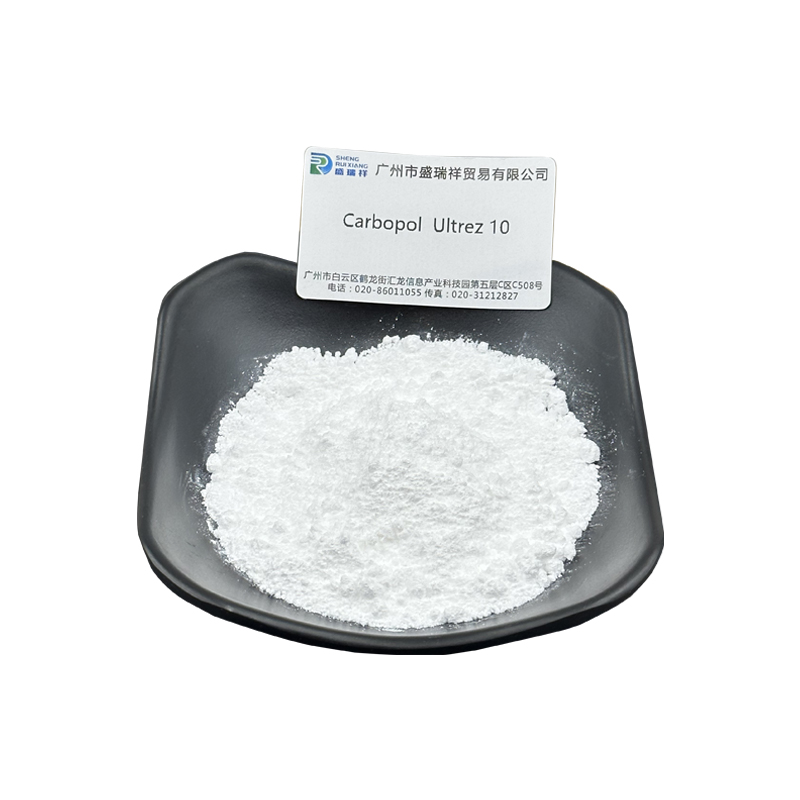
If you are struggling to balance flow, leveling, and stability in your formulations, upgrading to smart responsive polymers can solve multiple issues simultaneously. We highly recommend evaluating advanced solutions like the Carbopol Ultrez 21 Rheology Agents. Its rapid self-wetting capabilities, high yield value, and exceptional clarity make it a superior choice for modern, high-efficiency formulations. Review the technical data and start optimizing your fluid systems today.
Frequently Asked Questions
What is the difference between a thickener and a rheology agent?
While the terms are frequently used interchangeably, there is a distinct technical difference. A basic thickener simply increases the overall viscosity of a fluid, often resulting in a Newtonian flow where the viscosity remains constant regardless of the force applied. A true rheology agent precisely engineers how the fluid behaves under varying levels of physical stress, making a fluid highly shear-thinning or thixotropic. All rheology agents thicken, but not all thickeners provide precise rheological control.
Can I mix different types of water-based rheology agents?
Yes, blending different chemical classes is the industry best practice for complex formulations. No single modifier is perfect across all shear rates. A common strategy is to combine a low-shear builder, such as a cellulosic thickener, with a high-shear builder, like a HEUR associative thickener. The cellulosic agent ensures the pigment stays suspended during storage, while the HEUR takes over during application to ensure the coating levels out smoothly.
Why did my water-based paint lose viscosity over time?
Viscosity loss during storage has several potential culprits. If using a cellulosic thickener, the most likely cause is microbial attack, requiring a stronger biocide package. If using an ASE or HASE thickener, viscosity loss is often due to pH drift. These thickeners require an alkaline environment. If the pH drops, the polymer coils back up. Finally, surfactant migration can disrupt the temporary bonds formed by associative thickeners.
Are associative rheology agents better than non-associative ones?
They are not inherently better, but they serve entirely different functional purposes. Non-associative agents thicken by absorbing water and physically tangling their long polymer chains, making them highly robust and excellent at preventing settling. Associative agents thicken by forming temporary hydrophobic bonds. Because these bonds break smoothly under shear, associative agents are vastly superior for achieving smooth flow, flawless leveling, and spatter-free application.
How do I choose a rheology modifier for a clear water-based coating?
Formulating a highly transparent clear coat requires strict attention to the optical properties of your additives. You must avoid inorganic clays, as their insoluble particulate nature will scatter light and create a hazy appearance. Similarly, standard cellulosic thickeners can introduce a milky cast. To maintain glass-like clarity, formulators should exclusively opt for Polyurethane associative thickeners or specialized synthetic cross-linked polyacrylates that fully solubilize into the waterborne matrix.
How do rheology modifiers impact the drying time of waterborne coatings?
Certain modifiers, particularly cellulosic thickeners, have a high affinity for water. They bind tightly to water molecules, which slows down the evaporation rate during the curing process. This extends the open time, allowing painters more time to work the edge of the coating. However, in high-humidity environments, this excessive water retention can severely delay drying and compromise early rain resistance.
What is the optimal addition method for powder-based rheology modifiers?
Powder-based modifiers, especially traditional gums and cellulosics, are prone to forming lumps known as fish-eyes if dumped rapidly into water. The exterior of the lump hydrates instantly, sealing dry powder inside. To prevent this, engineers recommend sifting the powder slowly into the vortex of a high-speed disperser. Alternatively, modern smart polymers like cross-linked polyacrylates are engineered to be self-wetting, allowing them to be sprinkled on the surface and left to hydrate with minimal agitation.