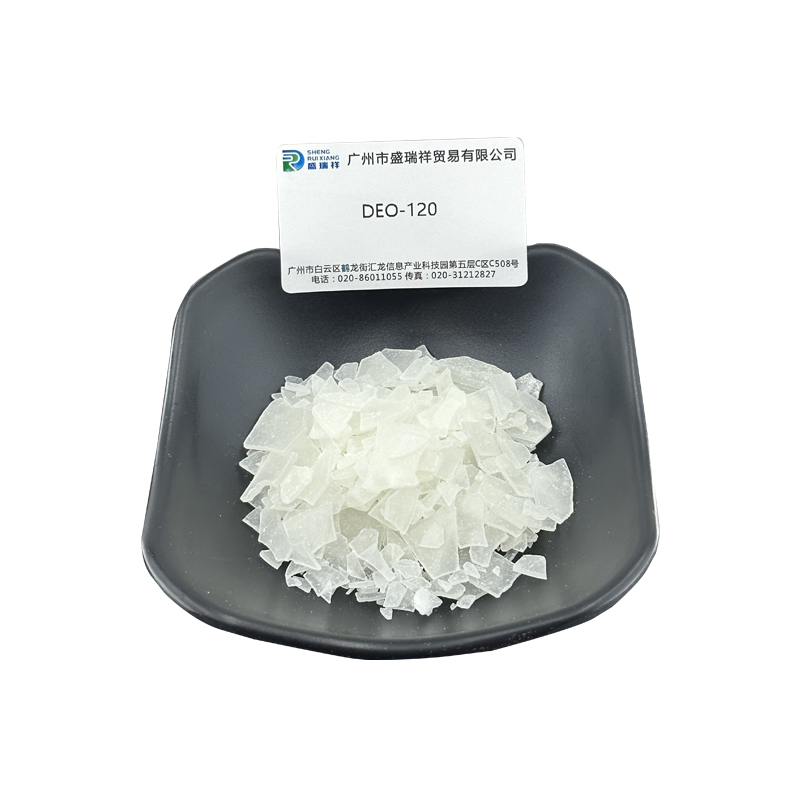
Ever wondered what makes your favorite cosmetic products feel just right? Rheology modifiers play a key role in determining the texture, viscosity, and stability of formulations. These ingredients are essential for achieving the perfect product experience, whether in skincare, makeup, or hair care. In this post, we'll explore how rheology modifiers impact the feel and performance of various cosmetics.
What Are Rheology Modifiers in Cosmetics?
Definition and Purpose
Rheology modifiers are ingredients used to control the flow and thickness of cosmetic products. Their main job is to adjust the viscosity, or the "thickness," of a formula, ensuring it feels just right during use. Whether it's a thick, luxurious cream or a lightweight serum, rheology modifiers play a key role in shaping the texture. They also contribute to the stability of the product, helping it maintain consistency over time, even in the presence of different temperatures or when exposed to air.
These ingredients ensure the product behaves as intended, making it easy to apply and enhancing the overall sensory experience. Without rheology modifiers, many cosmetics would either be too runny or too stiff to apply effectively.
Key Functions
Rheology modifiers serve several important functions in cosmetic formulations:
● Thickening Agents: The primary role of rheology modifiers is to thicken products. For example, they can help turn a thin liquid into a creamy or gel-like consistency, which is essential for products like moisturizers or gels.
● Stabilizers for Emulsions: Many cosmetic products, such as lotions and creams, are emulsions, which are mixtures of oil and water. Rheology modifiers stabilize these emulsions, preventing the oil and water from separating. This ensures the product remains smooth and effective.
● Suspension Agents: In products like shampoos or exfoliating cleansers, rheology modifiers help keep particles, like exfoliants or active ingredients, evenly suspended. This prevents them from settling at the bottom of the bottle, ensuring a consistent product every time.
These functions are key to creating a positive consumer experience. For instance, rheology modifiers impact how easily a product spreads on the skin, how it feels during application, and even the finish it leaves behind. Whether it's a fresh, dewy feel or a smooth, matte finish, the right rheology modifier makes all the difference in how the product is perceived and used.
Types of Rheology Modifiers Used in Cosmetics
Natural vs. Synthetic Rheology Modifiers
Rheology modifiers come in both natural and synthetic forms, each offering unique benefits. Natural modifiers, like Xanthan gum, are derived from plant-based sources. They are often chosen for their eco-friendly nature and compatibility with sensitive skin. On the other hand, synthetic modifiers, such as polyacrylate cross-polymers, are chemically produced and tend to offer more consistent performance in terms of stability and viscosity. While synthetic options might be more effective in certain formulations, natural alternatives are often preferred for organic or sensitive products.
Functional Categories
Rheology modifiers serve several important functions in cosmetic formulations:
● Gelling Agents: These modifiers help thicken and form gels. Gelling agents are commonly used in products like hair gels or face masks, giving them their distinctive consistency.
● Stabilizers: Rheology modifiers also stabilize emulsions, keeping the oil and water phases from separating. This is vital in lotions and creams, which need to maintain a uniform texture and stability over time.
● Emulsifiers: These ingredients help combine ingredients that typically don't mix, like oil and water. Emulsifiers ensure that the product remains smooth and stable during use. They're found in products like moisturizers, conditioners, and sunscreens.
Common Rheology Modifiers in Popular Cosmetics
Some of the most commonly used rheology modifiers in everyday cosmetics include:
● Carbomers: Widely used in gels, lotions, and facial cleansers, carbomers are great for creating smooth, clear textures. They are especially popular in water-based formulas where clarity is important.
● Guar Gum: A natural gum, guar gum is often used in shampoos, conditioners, and body washes. It provides a soft, smooth texture and helps with the suspension of particles in the formulation.
● Acrylates: Used extensively in gels and creams, acrylates are known for their ability to handle a variety of ingredients while maintaining texture and stability. These are common in products like sunscreens and serums, where smoothness and ease of application are key.
These modifiers are critical in determining the overall feel, performance, and stability of cosmetic products, influencing everything from their viscosity to their ability to mix and maintain consistency over time.
These functions are key to creating a positive consumer experience. For instance, rheology modifiers impact how easily a product spreads on the skin, how it feels during application, and even the finish it leaves behind. Whether it's a fresh, dewy feel or a smooth, matte finish, the right rheology modifier makes all the difference in how the product is perceived and used.
Cosmetics That Use Rheology Modifiers
Skin Care Products
Rheology modifiers play an essential role in skin care products like moisturizers, serums, and creams. These products require specific viscosities to ensure proper application and skin absorption. For example, a thick, rich moisturizer needs to provide a luxurious feel while spreading easily. Rheology modifiers like Carbomers or Xanthan gum help enhance both texture and stability, ensuring a smooth, even application. They also stabilize emulsions, preventing ingredients from separating, which is crucial for maintaining the product’s effectiveness over time.
Hair Care Formulations
In shampoos, conditioners, and styling gels, rheology modifiers help maintain consistency, ensuring the product performs as expected. These modifiers control the flow, allowing shampoos and conditioners to spread easily through the hair while providing the desired texture. For instance, Guar gum can be used in conditioners for its conditioning properties, while Acrylates in styling gels help achieve a firm hold without making the product too sticky or thick. The right rheology modifier ensures the product is easy to apply and provides a pleasant sensory experience.
Makeup Products
Makeup products like foundations, concealers, and primers rely heavily on rheology modifiers to ensure smooth application and long-lasting wear. Rheology modifiers like Acrylates cross-polymers help makeup stay in place, creating a smooth, even texture. They also ensure that makeup products maintain the desired consistency and performance throughout the day. Whether it's creating a silky primer or a foundation with a perfect finish, rheology modifiers are crucial for making makeup products easy to apply and wear for long periods.
Sun Care and Protection
Sunscreens and sun protection products, especially those containing mineral actives, need specific rheology modifiers for consistency and stability. Polyacrylate cross-polymers are often used in sunscreens to ensure that the product maintains its texture, even in high temperatures or humidity. These modifiers help provide the right consistency for even application while ensuring that mineral actives, like zinc oxide, stay properly dispersed. They also enhance the product’s ability to resist the effects of electrolytes, which is essential for sunscreens exposed to sweat or water.
Tip: When selecting rheology modifiers for your cosmetic products, consider the product's end use. For instance, sunscreens may require modifiers that can resist electrolytes, while hair gels need ones that provide hold without excess stickiness.
Cosmetic Category | Common Rheology Modifiers | Purpose |
Skin Care | Carbomers, Xantham gum | Texture enhancement, emulsion stabilization |
Hair Care | Guar gum, Acrylates | Consistency, spreadability, and texture |
Makeup Products | Acrylates cross-polymers | Smooth application, long-lasting wear |
Sun Care | Polyacrylate cross-polymers | Electrolyte resistance, consistency, stability |

How Rheology Modifiers Improve Sensory Experience
Impact on Skin Feel
Rheology modifiers greatly impact how a product feels on the skin. They can create a melting effect, where the product seems to dissolve into the skin upon contact, offering a refreshing, non-greasy feel. This effect is especially important for serums or light moisturizers, as it helps them absorb quickly without leaving any residue. In thicker products, rheology modifiers can improve smooth application, ensuring the formula glides effortlessly. After application, they also influence the after-feel on the skin, leaving it soft, hydrated, or sometimes matte, depending on the desired outcome.
Textural Enhancements
Texture is one of the most important sensory attributes that consumers evaluate in a product. Rheology modifiers help create cushion-like, bouncy, or lightweight sensations that enhance the user experience. For instance, in makeup products like primers or foundations, rheology modifiers can provide a bouncy texture, making the application feel fun and luxurious. In hair care products, such as conditioners, they contribute to a cushion-like feeling, which makes hair feel smooth and nourished after use. These textures are not just for sensory pleasure; they also help products apply evenly and remain stable over time.
Transparency and Clarity in Products
Rheology modifiers are essential for creating clear formulations, especially in products like gels or serums where transparency is key. Certain modifiers, such as Carbomers, can help achieve the desired viscosity while maintaining clarity, making them ideal for products that need to be aesthetically pleasing, such as facial gels or clear moisturizers. Rheology modifiers ensure that products remain consistent and stable, preventing cloudiness or phase separation, which can affect both the appearance and performance of the product. Achieving this clarity is vital, especially when products like sunscreens or serums are designed to be applied smoothly without an opaque appearance.
Challenges in Choosing the Right Rheology Modifier
Balancing Viscosity and Clarity
One of the biggest challenges when choosing a rheology modifier is finding the right balance between viscosity and clarity. Some products, like gels or serums, require a clear formulation, but they also need to be thick enough to provide the right texture and spreadability. Rheology modifiers can increase viscosity, but certain types may introduce cloudiness, which can affect the product's appearance. Carbomers and Acrylates are often chosen for their ability to thicken without compromising clarity. However, selecting the wrong rheology modifier may lead to a product that either lacks the desired clarity or feels too thick, both of which can impact the consumer’s experience.
Compatibility with Active Ingredients
Another important factor is the compatibility of rheology modifiers with other active ingredients in the formulation. Surfactants, electrolytes, and acids are common components in many cosmetic products, but they can interfere with rheology modifiers. For instance, high concentrations of electrolytes may cause instability, leading to a product that separates or loses its texture. Similarly, products like sunscreens, which contain mineral actives like zinc oxide, may require specific rheology modifiers that can maintain their consistency without affecting the dispersion of the active ingredients. This challenge requires formulators to carefully consider how the rheology modifier interacts with the rest of the formulation, ensuring stability and effectiveness.
Consumer Preferences and Performance
Consumer preferences are another key consideration. Rheology modifiers not only impact a product's texture but also the performance and overall satisfaction. For example, a product that feels greasy or sticky after application can result in poor consumer reviews, no matter how effective the formula might be. On the other hand, a lightweight and non-greasy feel is often preferred in products like moisturizers and foundations. Rheology modifiers help achieve these specific textures by controlling the viscosity and skin feel, ensuring the product meets consumer expectations. Moreover, the product’s longevity is influenced by the modifier’s ability to maintain its texture over time, even with exposure to environmental factors such as temperature changes or moisture.
Sustainable Rheology Modifiers in Cosmetics
Natural and Biodegradable Options
As sustainability becomes a growing concern in the beauty industry, many cosmetic brands are turning to natural and biodegradable rheology modifiers. Natural gums, such as xanthan gum and guar gum, are derived from plant-based sources, making them biodegradable and eco-friendly. These modifiers not only help reduce environmental impact but also align with the demand for clean and green formulations. Glucomannan, for example, is a 100% natural gum sourced from the tubers of the Amorphophallus muelleri plant, often used in natural skincare products. Synthetic options, like Polyacrylate Crosspolymer-6, are designed to be equally effective while still maintaining a lower environmental footprint.
Microplastic-Free and Eco-Friendly Alternatives
The beauty industry has also seen a significant shift towards microplastic-free rheology modifiers. Many conventional rheology modifiers, like certain synthetic polymers, have been classified as microplastics, raising concerns due to their non-biodegradable nature. These microplastics can persist in the environment, contributing to pollution. In response, brands are opting for non-microplastic rheology modifiers that are either biodegradable or water-soluble. Products like Sepimax Zen™, a polyacrylate crosspolymer, are becoming more popular because they offer the same performance without the harmful environmental impact of microplastics.
Trends in Eco-Conscious Formulations
Consumers are becoming more conscious of the environmental and ethical impact of the products they use. There is a rising demand for sustainable, natural-based rheology modifiers in cosmetics. This trend has led to the development of more innovative ingredients that align with consumer expectations for clean beauty. Brands are now focusing on sourcing ingredients from renewable resources and ensuring their products are free from harmful chemicals and pollutants. For example, natural rheology modifiers not only provide effective texture and stability but also meet consumer preferences for eco-friendly and sustainable ingredients.
These changes in the industry reflect a broader movement towards more eco-conscious formulations, driven by both consumer demand and the need for manufacturers to meet stricter environmental standards.
Conclusion
Rheology modifiers play a crucial role in enhancing the performance of cosmetics by controlling viscosity, texture, and stability. Choosing the right modifier depends on the specific needs of the product, such as skin feel or consistency. As consumer demand for eco-friendly and sustainable options rises, companies like SHENGRUIXIANG provide high-quality, biodegradable ingredients that offer both performance and environmental benefits. Their products align with the growing trend for clean, sustainable beauty solutions.
FAQ
Q: What are rheology modifiers in cosmetics?
A: Rheology modifiers are ingredients that control the viscosity, texture, and flow of cosmetic products, ensuring they feel and apply as intended.
Q: How do rheology modifiers affect product performance?
A: Rheology modifiers enhance spreadability, texture, and stability, ensuring products like creams, lotions, and gels provide the desired skin feel and performance.
Q: Why are rheology modifiers important in cosmetics?
A: They are crucial for adjusting product consistency, ensuring smooth application, and maintaining formula stability over time.
Q: Which cosmetics commonly use rheology modifiers?
A: Products like moisturizers, shampoos, conditioners, makeup, and sunscreens often use rheology modifiers to control texture and stability.
Q: How do I choose the right rheology modifier for my product?
A: The right modifier depends on the product's desired texture, stability, and compatibility with other ingredients.