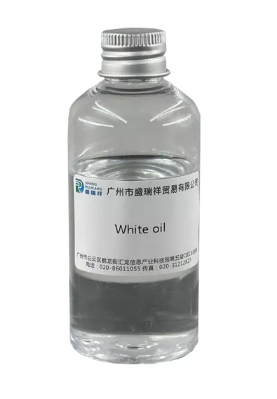
When people evaluate skincare ingredients, one question rises above all others: Is this oil truly safe for direct skin contact? For manufacturers, brand owners, and sourcing managers, this question carries even more weight. Customers expect transparency. Regulators expect compliance. Your formulations must deliver both.
Among many cosmetic oils, Cosmetic-Grade White Oil has become a widely used ingredient in creams, balms, cleansers, and baby care products. Yet it also faces persistent misconceptions because it's derived from petroleum. This article gives a clear, evidence-based answer. It uses dermatologist insights, modern refining standards, and safety data to evaluate cosmetic grade white oil skin safety—without fear-based narratives or outdated myths.
Understanding What Safe for Skin Contact Really Means
Ensuring an ingredient is safe for skin contact is a critical step in skincare formulation. Safety is not determined by guesswork or tradition but by rigorous scientific testing and regulatory compliance. For brands and manufacturers, demonstrating that an ingredient is safe is essential both to meet consumer expectations and to satisfy legal and regulatory requirements globally. Only through proper evaluation can a product gain trust, minimize risks of adverse reactions, and support consistent product performance across diverse skin types.
How skin safety is evaluated
Safety assessment of cosmetic ingredients is a multi-layered process designed to uncover potential risks before the ingredient reaches consumers. The evaluation typically involves:
Impurity screening – identifying and quantifying residual compounds or contaminants that could cause irritation or toxicity.
Irritation and sensitization tests – determining whether repeated or prolonged exposure can provoke redness, itching, or allergic reactions.
Comedogenicity evaluation – assessing the potential of the ingredient to clog pores and exacerbate acne.
Toxicology review – analyzing systemic toxicity risks, ensuring safe exposure levels.
Regulatory compliance tests – confirming adherence to local and international cosmetic and pharmaceutical guidelines.
Together, these steps form a robust safety profile, allowing manufacturers to confidently include the ingredient in skincare products intended for daily use.
Why refinement level matters
The level of refinement significantly affects the safety and stability of oils used in skincare. Unrefined or industrial oils may contain contaminants, polycyclic aromatic hydrocarbons (PAHs), and unstable molecules prone to oxidation. These impurities can irritate the skin, accelerate aging, or trigger allergic reactions. Cosmetic-Grade White Oil, in contrast, undergoes stringent purification processes to eliminate these risks. High-purity refining ensures the oil remains chemically stable, odorless, colorless, and suitable for sensitive or compromised skin, making it a reliable base ingredient in modern skincare formulations.
Why Cosmetic-Grade White Oil differs from industrial oils
Industrial oils are primarily designed for mechanical or technical applications and are not purified to skin-level standards. Cosmetic-Grade White Oil undergoes multiple specialized refining processes such as hydrogenation, hydrotreating, and multi-stage filtration cycles, resulting in an ultra-stable, inert oil. This careful production ensures that it is free of odor, color, and impurities that could irritate the skin. Unlike industrial oils, Cosmetic-Grade White Oil meets both cosmetic and pharmaceutical-grade standards, making it suitable for direct contact with even the most sensitive skin types, including baby and post-procedure skincare.
What non-comedogenic and hypoallergenic mean
The terms non-comedogenic and hypoallergenic are frequently used in marketing but have precise implications in cosmetic science. A non-comedogenic ingredient is unlikely to clog pores, reducing the risk of acne or blemishes. Hypoallergenic indicates a low probability of causing allergic reactions, even in sensitive individuals. Cosmetic-Grade White Oil often meets both conditions due to its molecular structure, high purity, and chemical stability. These properties make it a preferred ingredient for formulations targeting dry, irritated, or sensitive skin, providing protective benefits without triggering adverse reactions.
What Is Cosmetic-Grade White Oil and How Is It Made Safe?
Cosmetic-Grade White Oil is a highly refined mineral oil composed of long-chain hydrocarbons. It is widely used in personal care, dermatological, and baby care products for its inertness, stability, and skin-friendly properties. Unlike unrefined mineral oils, Cosmetic-Grade White Oil undergoes rigorous processing to meet stringent safety standards. Its inert nature ensures it does not participate in biochemical reactions on the skin, allowing it to provide effective barrier protection and moisture retention without irritation.
Definition and classification
Regulatory authorities classify Cosmetic-Grade White Oil under multiple standards to ensure safety and consistency, including:
USP (United States Pharmacopeia) – ensures pharmaceutical-grade purity.
FDA cosmetic ingredient guidelines – validates safe usage in cosmetic formulations.
EU Cosmetic Regulation 1223/2009 – mandates stringent purity, stability, and labeling compliance.
These regulations collectively guarantee that Cosmetic-Grade White Oil meets global safety expectations and is suitable for sensitive applications, such as baby skincare and lip products.
How high-purity refining works
High-purity refining of Cosmetic-Grade White Oil involves several crucial steps:
Odor component removal – ensuring the oil is neutral and does not affect fragrance or product performance.
Impurity elimination – filtering out residual hydrocarbons, metals, and other potential irritants.
PAH reduction – minimizing carcinogenic or toxic polycyclic aromatic hydrocarbons.
Stabilization of molecules – preventing oxidation or chemical degradation during storage and use.
This results in an oil that is chemically inert, consistent in quality, and reliably safe for direct skin application, even in highly sensitive formulations.
Why Cosmetic-Grade White Oil differs from automotive oils
Automotive or industrial mineral oils contain additives, are not refined for direct skin contact, and may include contaminants harmful to human health. Cosmetic-Grade White Oil differs fundamentally because it is specifically produced for skincare and pharmaceutical use. Its strict refining and purification processes ensure it is free from harmful compounds and suitable for repeated application on delicate skin, making it entirely safe compared to automotive or technical oils.
The global certifications that verify safety
Certifications provide third-party validation of the oil’s safety and quality. Common certifications include:
USP and EP – guarantee pharmaceutical-grade purity.
FDA food-grade approval – allows use in products that may contact lips or mouth.
NSF standards – certify ingredient quality and inertness.
EU purity criteria – confirm compliance with European cosmetic regulations.
These certifications reassure manufacturers and consumers that Cosmetic-Grade White Oil can be safely incorporated into various formulations, including baby creams and sensitive skin products.
Is Cosmetic-Grade White Oil Safe for Skin Contact?
Dermatologist consensus
Dermatologists widely recognize Cosmetic-Grade White Oil as safe for most skin types. It does not penetrate deeply but forms a protective layer on the skin's surface, supporting moisture retention and reinforcing the natural barrier. Its use in medical ointments and wound care illustrates its reliability and gentle nature, making it suitable for sensitive, dry, or compromised skin without inducing irritation.
Comedogenicity: will it clog pores?
Cosmetic-Grade White Oil is generally non-comedogenic, meaning it has a low likelihood of clogging pores. It is safe for dry and sensitive skin but may feel heavy on acne-prone individuals. While the risk of pore blockage is minimal, formulations containing other comedogenic ingredients may increase occlusion, which should be considered during product development.
Where Cosmetic-Grade White Oil performs best
This oil excels in applications requiring barrier support and moisture retention:
It locks in moisture without triggering biological reactions, making it ideal for sensitive or compromised skin.
Comparing Cosmetic-Grade White Oil With Other Skincare Oils
White Oil vs. Petrolatum
White oil offers a lighter texture, is less occlusive, and blends easily into formulations. Petrolatum, in contrast, provides a heavier barrier, which is advantageous for extremely dry skin but may feel greasy. White oil is therefore preferred when a lighter, more cosmetically elegant feel is desired.
White Oil vs. Plant Oils
Plant oils can vary in composition depending on harvest conditions, may oxidize over time, and can trigger allergic reactions in some users. White oil is chemically stable, odorless, and consistent, providing predictable performance across all formulations and climates.
White Oil vs. Silicones
Silicones offer excellent slip and spreadability but do not provide the same moisture-sealing properties. White oil combines comfort, barrier support, and low irritation risk, making it complementary or alternative to silicone-based ingredients in skincare.

How to Use Cosmetic-Grade White Oil Safely in Formulations
Best application methods
Cosmetic-Grade White Oil performs well in:
Body creams
Diaper creams
Balms and ointments
Makeup removers
It works best when applied on slightly damp skin, enhancing its sealing and moisture-retention properties.
When it may not be ideal
Avoid using white oil:
In hot or humid climates, where it may feel heavy
Under thick or heavy makeup
On acne-prone skin, where occlusion may aggravate congestion
Proper formulation and user guidance help minimize potential drawbacks while maximizing benefits.
Summary Table
| Safety Factor | Evidence | Verdict |
| Irritation risk | Extremely low | Safe |
| Allergy risk | Very low | Safe |
| Comedogenicity | Low to moderate | Depends on skin type |
| Purity | Very high | Safe |
| Regulatory approval | FDA, USP, EU | Approved |
| Best for | Dry, sensitive, baby skin | Highly suitable |
Conclusion
So—is Shengruixiang Cosmetic-Grade White Oil safe for skin contact? Yes. When sourced as Shengruixiang Cosmetic-Grade White Oil, it meets strict global safety standards and offers exceptional purity, stability, and gentle skin compatibility. It supports moisture retention, protects compromised skin, and provides consistent performance across formulations.
However, like any occlusive oil, it may feel heavy on acne-prone or oily skin. Brands should match Shengruixiang Cosmetic-Grade White Oil to user needs, climate, and formulation goals. Used correctly, Shengruixiang Cosmetic-Grade White Oil is a reliable, dermatologist-approved ingredient for modern skincare.
FAQ
Q: Is Cosmetic-Grade White Oil safe for daily skin contact?
A: Yes, Cosmetic-Grade White Oil is considered safe due to its high purity and strong cosmetic grade white oil skin safety profile.
Q: What makes Cosmetic-Grade White Oil different from regular mineral oils?
A: Cosmetic-Grade White Oil undergoes stricter refining, improving cosmetic grade white oil skin safety for sensitive users.
Q: Can this oil clog pores or cause breakouts?
A: It is generally non-comedogenic, though cosmetic grade white oil skin safety may vary for acne-prone skin.