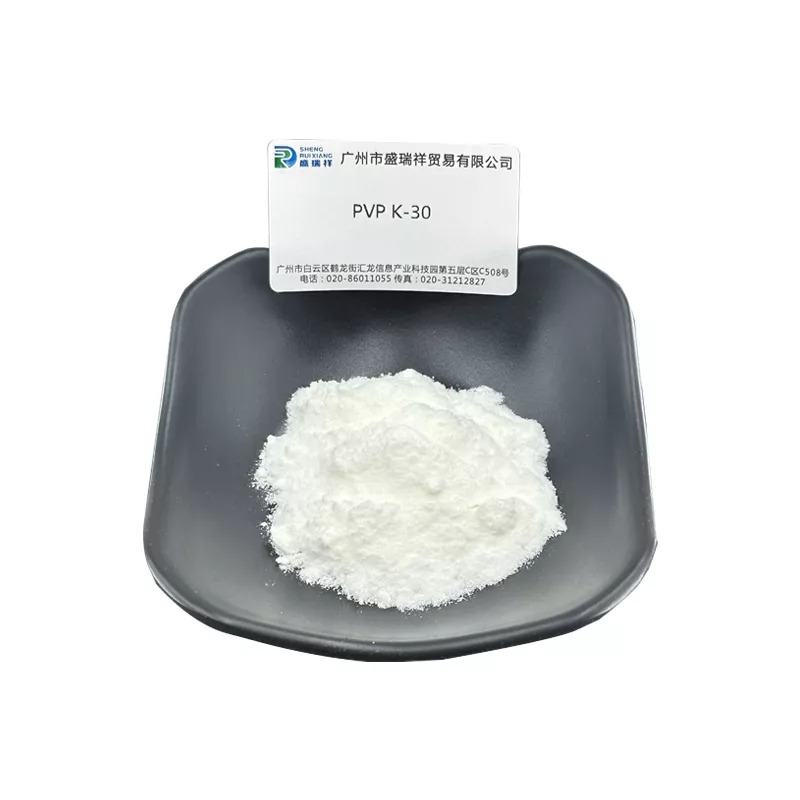
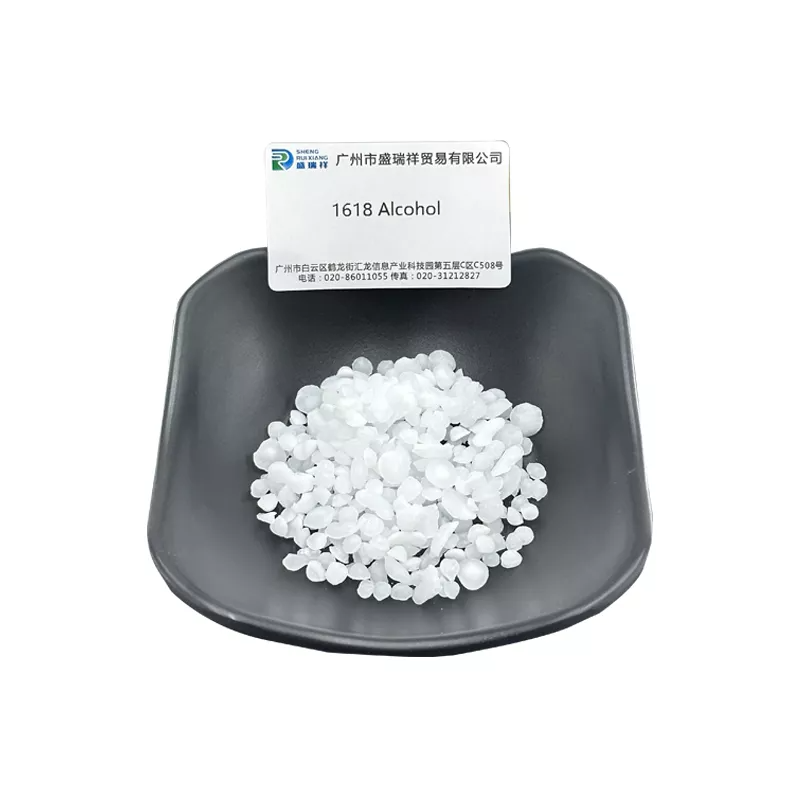
Understanding Cosmetic Raw Materials and Their Importance
Cosmetic raw materials are the foundation of the beauty products we use every day. But have you ever wondered how these ingredients impact your skincare routine?
In this article, we’ll explore the importance of cosmetic raw materials and how they shape the products that clean, protect, and nourish your skin. You’ll learn about the different types of ingredients, their roles, and why choosing the right materials is crucial for both product performance and safety.

Key Categories of Cosmetic Raw Materials
Primary Raw Materials: Essential Ingredients for Cosmetics
These raw materials are the core components of any cosmetic product, responsible for its basic function. They form the majority of the product's formula, providing essential properties such as moisturization, cleansing, or protection. These ingredients are foundational to the product's success, ensuring that it performs as expected in meeting consumer needs.
| Raw Material | Function | Examples |
| Water | Solvent, carrier for active ingredients | Common in most cosmetic products |
| Oils | Moisturization, texture | Argan oil, Jojoba oil |
| Waxes | Texture, stability | Beeswax, Carnauba wax |
| Surfactants | Cleansing, emulsifying | Sodium lauryl sulfate (SLS) |
Examples:
Plant oils: Jojoba oil, argan oil
Mineral oils: Petrolatum, paraffin
Waxes: Beeswax, carnauba wax
These primary raw materials are crucial for a product’s overall performance. They help ensure that the product serves its intended purpose—whether that’s moisturizing the skin, removing dirt, or providing protection from environmental damage. They make up the majority of the product and directly contribute to its functionality and user satisfaction.
Auxiliary Raw Materials: Additives and Enhancers
Auxiliary materials are often used in smaller quantities but are essential to achieve the final product’s appeal. These ingredients serve to stabilize, preserve, or improve the product’s sensory properties. They are added to enhance the overall user experience and ensure that the product remains stable and effective throughout its lifespan.
| Raw Material | Role | Examples |
| Fragrances | Add scent, enhance user experience | Lavender oil, Rose oil |
| Colorants | Provide pigments, color cosmetics | Iron oxides, Titanium dioxide |
| Preservatives | Extend shelf life, prevent microbial growth | Phenoxyethanol, Parabens |
Examples:
Preservatives: Phenoxyethanol, parabens
Colorants: Iron oxides, titanium dioxide
Fragrances: Lavender oil, rose oil
While auxiliary materials may not be the primary functional components of a product, they are critical for ensuring that products meet consumer preferences for texture, scent, and appearance. These materials can differentiate products in a crowded market, making them more attractive and desirable to consumers.
Core Functions of Cosmetic Raw Materials in Formulations
Functional Ingredients: Moisture and Skin Benefits
Functional ingredients are the ones that contribute directly to the effectiveness of a product, addressing specific skin needs like hydration, anti-aging, and cleansing. These ingredients are the backbone of most cosmetic products and determine how well a product performs.
| Functional Ingredient | Benefit | Examples |
| Emollients | Retain moisture, prevent dehydration | Shea Butter, Jojoba Oil |
| Humectants | Draw moisture from the air | Glycerin, Hyaluronic Acid |
| Surfactants | Cleanse and remove dirt | Sodium lauryl sulfate (SLS), Cocamidopropyl Betaine |
| Active Ingredients | Provide targeted skin benefits | Vitamin C, Retinol |
Examples:
Humectants: Glycerin, hyaluronic acid
Emollients: Jojoba oil, shea butter
Active Ingredients: Vitamin C, retinol
Functional ingredients are the most important for delivering the desired benefits to the skin. When formulating, it is essential to choose ingredients that will perform well for the specific needs of your target audience. These ingredients determine the effectiveness of the product in addressing common skin issues, such as dryness, fine lines, and acne.
Structural Ingredients: Texture and Stability Enhancers
These raw materials are responsible for the texture, consistency, and stability of a product. They ensure that the formulation remains uniform and does not separate over time. They also provide the desired sensory feel, from light and silky to rich and creamy. The right structural ingredients make products more appealing and easier to use.
Thickeners: These ingredients increase the viscosity of the product, making it thicker and more luxurious to apply. Thickeners are used in creams, lotions, and gels to give them a smooth and creamy texture.
Stabilizers: Help maintain the integrity of the formulation, ensuring it stays effective for longer. Stabilizers prevent separation of ingredients and help products maintain their intended texture and performance over time.
Examples:
Thickeners: Xanthan gum, carbomer
Stabilizers: EDTA, sodium chloride
When choosing structural ingredients, it’s important to ensure that they are compatible with the other raw materials in the formula. This compatibility is essential to avoid instability and ensure that the product maintains its desired properties over time. The right structural ingredients help the product feel pleasant on the skin and last longer on the shelf.
Sources of Cosmetic Raw Materials: Natural vs Synthetic
| Type | Characteristics | Advantages | Examples |
| Natural | Derived from plants, animals, and minerals | Perceived as safer, eco-friendly | Argan Oil, Aloe Vera, Lavender Oil |
| Synthetic | Manufactured in labs, controlled formulas | Consistent, cost-effective, stable | Dimethicone, Sodium Lauryl Sulfate (SLS) |
Natural Ingredients: Plant-Based and Organic Materials
Natural ingredients have become increasingly popular in cosmetics due to their perceived safety and environmental benefits. These materials are derived from plants, animals, and minerals, and they typically contain bioactive compounds that provide skin benefits. Consumers are increasingly looking for products that are made from natural and organic sources, which are often marketed as safer and gentler on the skin.
Examples:
Plant oils: Argan oil, jojoba oil
Botanical extracts: Aloe vera, green tea extract
Essential oils: Lavender oil, tea tree oil
Natural ingredients offer powerful antioxidants, vitamins, and minerals that help maintain skin health and appearance. However, it’s important to ensure these ingredients are sustainably sourced and free from pesticides or harmful chemicals. Balancing natural and synthetic materials in your formulations can help meet consumer demand while also ensuring effective performance. Sustainable sourcing practices are crucial for maintaining the ethical and environmental integrity of the product.
Synthetic Ingredients: Benefits and Common Uses
Synthetic raw materials are developed in labs to mimic or improve upon natural ingredients. They are often used for their consistency, purity, and lower cost compared to natural alternatives. Synthetic ingredients can provide superior performance in terms of stability, texture, and effectiveness.
Examples:
Silicones: Dimethicone, cyclopentasiloxane
Synthetic preservatives: Phenoxyethanol, parabens
Surfactants: Sodium lauryl sulfate (SLS), cocamidopropyl betaine
While synthetic ingredients can offer excellent performance, some consumers prefer natural alternatives due to concerns over potential irritants or allergens. It's essential to assess the preferences of your target market when choosing between natural and synthetic ingredients. Both types of ingredients can offer significant benefits, but it’s important to choose those that align with your brand values and meet the needs of your audience.
Safety and Compliance in the Use of Cosmetic Raw Materials
Safety Standards: Ensuring Consumer Protection
The safety of cosmetic raw materials is crucial for both consumer well-being and regulatory compliance. All raw materials must undergo extensive testing to ensure they do not pose any harm when used as intended. This includes toxicological assessments, stability testing, and irritancy studies. Cosmetic products must adhere to the safety standards set by regulatory bodies to avoid potential health risks.
Regulatory Compliance: Global Standards and Guidelines
Cosmetic raw materials are subject to strict regulations across various regions. In the United States, the FDA oversees the safety of cosmetic ingredients, while the European Union has its own set of regulations, which are often stricter. It’s essential to understand the regulatory requirements for raw materials in the regions where your products will be sold. Regulatory compliance ensures that products are safe for consumers and meet market expectations.
Examples:
Staying informed about the regulatory landscape can help avoid legal complications and ensure the success of your cosmetic products in global markets. It’s essential to keep up-to-date with the latest regulatory changes to avoid costly mistakes.

Choosing and Formulating with Cosmetic Raw Materials
Principles of Selecting the Right Raw Materials for Products
When formulating a cosmetic product, selecting the right raw materials is essential for achieving the desired functionality, stability, and user experience. Factors such as ingredient compatibility, safety, and performance should always be considered. Choosing high-quality ingredients ensures that the final product will meet consumer expectations. Proper ingredient selection helps in creating products that deliver the promised benefits and stand out in a competitive market.
Ingredient Pairing: Balancing for Optimal Performance
Formulating a cosmetic product requires a delicate balance of ingredients to achieve the desired texture, efficacy, and sensory feel. Combining various raw materials ensures that the product performs well across a range of conditions and meets consumer expectations. Balancing different ingredients is essential for creating a product that not only works well but also provides a pleasant user experience.
Innovative Trends: The Future of Cosmetic Raw Materials
The future of cosmetic raw materials is moving toward more sustainable, bio-friendly, and effective ingredients. New technologies, such as nanotechnology and the use of genetically modified organisms (GMOs), are reshaping the industry. These innovations offer more potent and targeted solutions for skin care. Emerging trends in natural and sustainable ingredients will also shape the future of cosmetic formulations, making them more eco-friendly and appealing to consumers.
Examples:
Nanotechnology: Used to enhance product absorption and effectiveness.
GMOs: Genetically engineered ingredients for specific benefits, such as better hydration or anti-aging effects.
Keeping up with the latest trends and innovations in raw materials can help your products stand out in a competitive market. Staying ahead of consumer demand for more sustainable, effective, and ethical products will help ensure the long-term success of your brand.
Conclusion
Cosmetic raw materials are the core of every cosmetic product. They not only affect the product’s functionality but also meet consumer demands for safety, efficacy, and sustainability. Choosing the right materials and formulating with them properly is essential for success in the competitive cosmetic market.
The quality and performance of products depend on the raw materials used. Understanding these materials and their applications is crucial in creating products that consumers trust and love. Companies must stay updated on trends and innovations to stay ahead of the competition. In an ever-evolving industry, raw material innovation is key to continued success.
Guangzhou Shengruixiang Trading Co., Ltd. offers a range of high-quality cosmetic raw materials designed to meet consumer needs. Their products deliver excellent value by enhancing product effectiveness and ensuring sustainability.
FAQ
Q: What are Cosmetic Raw Materials?
A: Cosmetic raw materials are the key ingredients used in cosmetic products. They serve various functions like moisturizing, cleansing, and protecting the skin, with both natural and synthetic sources involved.
Q: Why are Cosmetic Raw Materials important in product formulations?
A: Cosmetic raw materials are vital for ensuring a product's functionality, stability, and appeal. They directly impact the product's effectiveness, texture, and safety.
Q: How do I choose the right Cosmetic Raw Materials for my products?
A: When selecting cosmetic raw materials, it's important to consider the product's intended use, safety, compatibility with other ingredients, and market demands for natural or synthetic options.
Q: What is the difference between natural and synthetic Cosmetic Raw Materials?
A: Natural cosmetic raw materials are derived from plants or minerals, while synthetic materials are laboratory-created. Both types have unique benefits, with natural materials often marketed for their perceived safety.
Q: Are Cosmetic Raw Materials safe to use in skincare products?
A: Yes, cosmetic raw materials are generally safe when used according to regulatory guidelines. It's crucial to ensure that the materials are tested and comply with safety standards.
Q: What are the benefits of using high-quality Cosmetic Raw Materials?
A: Using high-quality cosmetic raw materials ensures better product performance, enhances consumer trust, and helps create products that meet safety and efficacy standards.