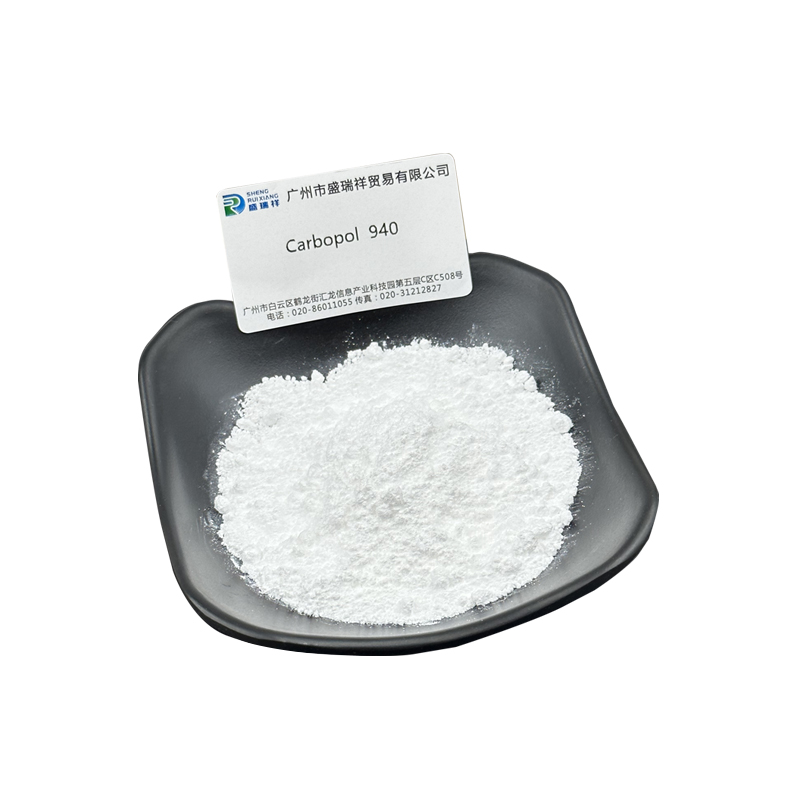
Carbopol 940 is a versatile polymer used in cosmetics and pharmaceuticals, known for its thickening abilities. However, its role extends beyond just thickening, as it is key to creating clear, stable gels. In this article, we'll explore Carbopol 940's unique properties and its essential role in achieving high-quality gel formulations.
What Makes Carbopol 940 Unique?
The Structure and Composition of Carbopol 940
Carbopol 940 is a high molecular weight polymer, made from acrylic acid. Its unique structure is created through a cross-linking process, where allyl ethers of pentaerythritol are used. This cross-linking results in a three-dimensional network, making Carbopol 940 capable of forming stable gels. The backbone of this polymer, Poly(acrylic acid), plays a crucial role in its ability to gel and its overall stability. It swells when in contact with water, creating a gel-like consistency.
This high molecular weight structure gives Carbopol 940 its impressive thickening properties. It’s capable of increasing viscosity at low concentrations, often just between 0.1% and 1.0%. The three-dimensional network formed through the cross-linking process ensures that the gel remains stable, with minimal separation of ingredients, even when exposed to different pH levels.
Rheology Modifiers: Enhancing Gel Consistency
Rheology modifiers are ingredients used to control the flow and viscosity of a formulation. Carbopol 940 is a prime example of a rheology modifier, which enhances the consistency and texture of gels. By adjusting the concentration and type of cross-linking, Carbopol 940 can increase the viscosity, making the gel thicker and more stable.
Carbopol 940’s ability to modify the rheological properties of a gel, such as viscosity and thixotropy, makes it ideal for a variety of applications. Thixotropy refers to the gel's ability to flow under stress and return to a thicker consistency when the stress is removed. This property is vital in creating products that are easy to apply and stable during storage.
By influencing the rheology of a gel, Carbopol 940 ensures that the product has the right texture for its intended use. Whether it's a smooth, easy-to-apply facial gel or a thick, stable hair styling product, Carbopol 940 plays a critical role in achieving the desired consistency.
The Role of Carbopol 940 in Achieving Clear Gels
Clarity and Aesthetic Appeal in Cosmetics
Carbopol 940 is widely recognized for its ability to produce clear, visually appealing gels. In the cosmetics industry, clarity is not just about appearance; it’s a key factor in how products are perceived by consumers. Whether in a gel moisturizer, hair gel, or facial serum, clear formulations have a high aesthetic value. Carbopol 940 plays a crucial role in achieving this clarity, ensuring that gels are transparent and free from cloudiness.
In hair gels and skincare products, Carbopol 940 helps maintain smooth consistency without compromising on clarity. This is especially important in personal care formulations, where consumers expect products that look as good as they perform. When mixed with other ingredients, Carbopol 940 ensures that gels remain clear, free from visible particles, and aesthetically pleasing—factors that influence both the user's experience and brand perception.
Maintaining Transparency Across pH Ranges
One of Carbopol 940’s most valuable characteristics is its ability to maintain transparency across a wide pH range. Many gel formulations are sensitive to changes in pH, which can cause them to become cloudy or unstable. However, Carbopol 940 retains its clarity even when the pH is adjusted within a broad range, typically between 5.0 and 10.0. This is crucial for creating products that are both effective and visually consistent, no matter the environmental or formulation conditions.
For example, in pharmaceutical gels, where stability and clarity are essential, Carbopol 940 ensures that the gel remains transparent, even when neutralized with agents like sodium hydroxide or triethanolamine. This property is particularly beneficial in eye drops, topical ointments, and other pharmaceutical formulations where the clarity of the product is critical for both aesthetics and function.
By ensuring stability and clarity across varying pH levels, Carbopol 940 guarantees that formulations remain reliable, effective, and visually appealing in a wide range of conditions. This ability to maintain transparency is what makes it a go-to ingredient in both cosmetic and pharmaceutical products.
Formulation Strategies with Carbopol 940
Neutralization Process and pH Sensitivity
When using Carbopol 940 in formulations, neutralization is a key step. This process activates its gelling properties and ensures the desired texture. Neutralizing agents like sodium hydroxide or triethanolamine are commonly used to adjust the pH of the mixture. These agents interact with Carbopol 940, causing it to swell and form a gel.
Sodium hydroxide is an alkaline substance that raises the pH, while triethanolamine acts as a mild neutralizing agent, adjusting the solution to a more neutral pH. Both agents help Carbopol 940 reach the optimal pH range of 5.0 to 7.0, which is crucial for maintaining gel consistency and stability. If the pH is too high or low, it can cause the gel to lose its viscosity, becoming too thin or unstable. Therefore, careful pH control is essential to ensure Carbopol 940 works effectively and produces a stable, clear gel.
Incorporating Carbopol 940 into Various Formulations
To achieve the best results, Carbopol 940 should be used within the optimal concentration range, typically between 0.1% and 1.0%. At these concentrations, Carbopol 940 delivers the desired viscosity without being overly thick or sticky. The exact amount used depends on the desired texture and thickness of the final product.
In addition to concentration, hydration plays a crucial role in ensuring Carbopol 940 performs at its best. When adding it to a formulation, it’s important to disperse it slowly into the liquid to prevent clumping. If not hydrated properly, Carbopol 940 can form agglomerates, which may affect the consistency of the gel. Using a high-shear mixer can help break down these clumps and achieve a smooth, consistent texture.
Achieving a balance between effective dispersion and preventing clumping is vital. If the Carbopol 940 is not evenly distributed, the gel may have an inconsistent texture. Proper hydration and slow incorporation into the formulation will result in a stable gel that remains smooth, clear, and effective.

Applications of Carbopol 940 in Cosmetics and Pharmaceuticals
Cosmetics: Creating Stable, Non-Greasy Formulations
Carbopol 940 is a go-to ingredient in the cosmetics industry, especially when it comes to creating stable and non-greasy formulations. Its ability to thicken and stabilize makes it perfect for products like creams, lotions, and gels, where smoothness and consistency are key. By enhancing the texture, Carbopol 940 ensures that products glide easily onto the skin, providing a silky feel without the heaviness or greasiness often associated with thick formulations.
In addition to improving the feel of products, Carbopol 940 plays a crucial role in stabilizing emulsions and suspensions. In moisturizers, hand sanitizers, and other personal care products, it helps to prevent the separation of water and oil, ensuring that the product remains uniform and effective. The ability to maintain a consistent texture over time increases the product's shelf life and enhances user satisfaction, making Carbopol 940 an essential component for modern cosmetics.
Pharmaceuticals: Improving Drug Delivery Systems
Carbopol 940 is also widely used in pharmaceuticals, especially in formulations that require precise control over drug release. In ophthalmic gels, topical ointments, and controlled release systems, Carbopol 940 helps ensure that the active ingredients are delivered in the right amount, at the right time. This ability to control the release of drugs is crucial for treatments that need prolonged effects, such as in eye medications or transdermal patches.
In ophthalmic formulations, Carbopol 940 improves drug bioavailability by increasing the viscosity of eye drops. The gel-like consistency allows the drug to stay in contact with the eye's surface longer, enhancing absorption and effectiveness. For topical ointments, Carbopol 940 not only helps stabilize the formulation but also improves the retention of active ingredients on the skin, ensuring better therapeutic outcomes. Whether in eye care or controlled release systems, Carbopol 940 significantly impacts the efficacy and reliability of pharmaceutical products.
Carbopol 940 vs. Other Rheology Modifiers
Comparing Carbopol 940 to Xanthan Gum, Guar Gum, and Hyaluronic Acid
When it comes to selecting the right rheology modifier for gel formulations, Carbopol 940 stands out for its ability to deliver clear, stable, and highly consistent gels. However, there are other popular options in the market, such as Xanthan gum, Guar gum, and Hyaluronic acid, each with its own benefits and drawbacks.
● Xanthan Gum: Often used in food and cosmetic products, Xanthan gum is a great thickener and stabilizer. It’s highly effective in creating suspensions and emulsions. However, Xanthan gum can lead to a slimy texture in some formulations, making it less ideal for products that need to feel smooth and non-greasy. Unlike Carbopol 940, it doesn’t offer the same level of clarity in gel formulations.
● Guar Gum: Guar gum is derived from the guar bean and is often used in lotions and creams. It’s a natural, cost-effective rheology modifier but tends to form gels that can be less stable over time. It may also cause cloudiness in formulations, which makes it less suitable for clear gel applications. Carbopol 940 offers superior stability and clarity, making it more suitable for cosmetic formulations requiring both transparency and long-term consistency.
● Hyaluronic Acid: Hyaluronic acid is well-known for its hydration properties and is often used in skincare products. While it helps with moisturizing, its thickening ability is not as strong as Carbopol 940’s. Hyaluronic acid is more suited for maintaining moisture levels and improving the texture of formulations rather than providing structure and stability to gels. In contrast, Carbopol 940 excels at creating both clear gels and maintaining their integrity over time.
Which Modifier to Choose for Specific Formulations?
Choosing the right rheology modifier depends on the product’s requirements, such as desired texture, clarity, and stability.
● For Clear Gels: Carbopol 940 is the best option for formulations that require a transparent gel. It provides superior clarity compared to Xanthan gum or Guar gum, which can cause cloudiness.
● For High Viscosity and Stability: Carbopol 940 excels in high-viscosity applications where stability is crucial. Unlike Guar gum, which may lead to gel separation over time, Carbopol 940 ensures a consistent texture throughout the product’s shelf life.
● For Moisturizing and Hydration: If the primary goal is moisturizing, Hyaluronic acid may be more suitable. However, if a gel with high viscosity and stability is needed alongside hydration, Carbopol 940 can still be an excellent choice when combined with other ingredients like Hyaluronic acid.
In conclusion, Carbopol 940 is a versatile rheology modifier that shines when clarity, stability, and consistency are the primary goals. While other modifiers like Xanthan gum, Guar gum, and Hyaluronic acid have their own strengths, Carbopol 940 is ideal for applications requiring high clarity and long-term performance.
Tip: When formulating with Carbopol 940, always ensure proper hydration and dispersion to prevent clumping.
Challenges and Solutions in Using Carbopol 940
Dispersion and Hydration Issues
One of the most common challenges when working with Carbopol 940 is achieving proper dispersion and hydration. If not handled correctly, Carbopol 940 can form clumps, leading to uneven gels and inconsistent viscosity. The key to overcoming this issue lies in the proper hydration process. To prevent clumping, it’s important to slowly add Carbopol 940 into the water phase while stirring continuously. Using a high-shear mixer helps break down agglomerates and ensures that the powder is evenly distributed throughout the liquid.
Another challenge is incomplete hydration, which can result in a grainy texture or inconsistent gel formation. To avoid this, it’s recommended to allow sufficient time for Carbopol 940 to fully hydrate. Depending on the formulation, complete hydration may take up to 24 hours. Proper dispersion followed by adequate hydration ensures that the Carbopol 940 polymer fully swells, delivering the desired gel-like consistency.
Maintaining Consistency During Production
When producing products in bulk, maintaining consistency with Carbopol 940 can be tricky. Small variations in mixing speed, temperature, or pH can lead to inconsistencies in the final gel’s viscosity. To prevent this, it’s important to use controlled, uniform mixing techniques throughout production. A consistent, high-shear mixing process ensures that Carbopol 940 is properly dispersed and hydrated without forming lumps.
Additionally, controlling the pH of the formulation is crucial for maintaining the gel’s consistency. If the pH is too high or too low, the viscosity of the gel can be compromised. This can lead to gels that are either too thin or too thick, affecting the product’s texture and performance. Using pH neutralizing agents like triethanolamine or sodium hydroxide in the correct proportions ensures that the gel maintains its desired
Conclusion
Carbopol 940 plays a critical role in creating clear, stable, and effective gel formulations. Its unique ability to thicken and stabilize makes it essential in both cosmetic and pharmaceutical industries. As a versatile ingredient, it ensures consistent quality, enhances texture, and maintains product stability. Looking ahead, Carbopol 940's applications in skincare and drug delivery systems will continue to expand. SHENGRUIXIANG provides high-quality Carbopol 940, offering products that meet the evolving needs of the industry, ensuring both performance and value in every formulation.
FAQ
Q: What are rheology modifiers used for in cosmetics?
A: Rheology modifiers, like Carbopol 940, control the texture and viscosity of cosmetic products, ensuring consistency and stability in gels and creams.
Q: How does Carbopol 940 work as a rheology modifier?
A: Carbopol 940 modifies viscosity and enhances gel consistency, providing clear, stable formulations in cosmetics and pharmaceuticals.
Q: Why are rheology modifiers important in skincare products?
A: They ensure smooth application, maintain texture, and stabilize emulsions, improving the overall performance and user experience of skincare products.
Q: Can I use any rheology modifier in clear gel formulations?
A: Not all rheology modifiers provide the clarity Carbopol 940 offers. Its unique properties make it ideal for transparent, stable gels.