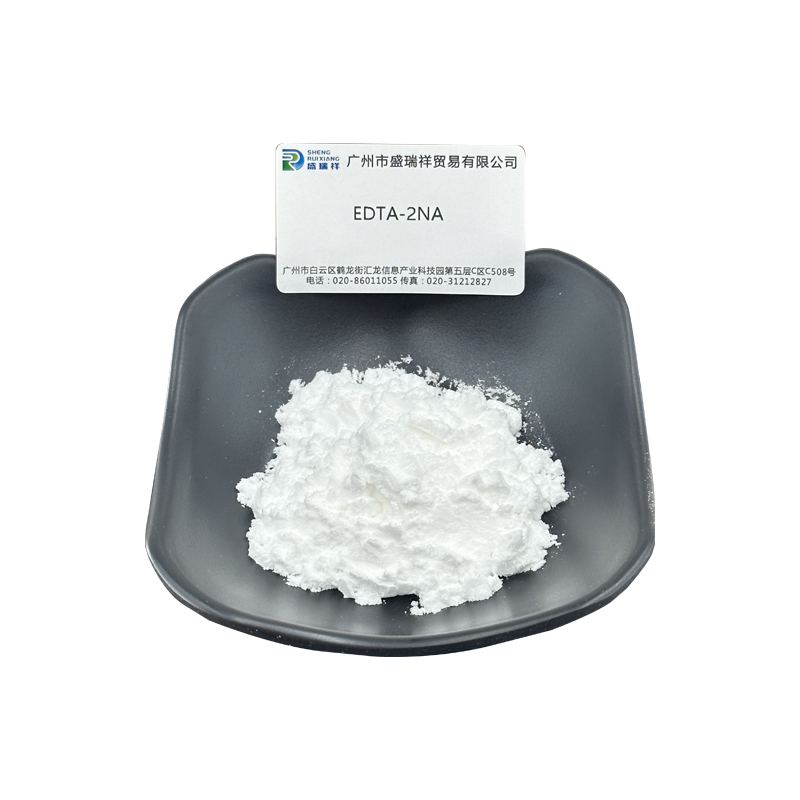
What makes a cosmetic product effective and safe? It's all in the raw materials. As the beauty industry evolves, the ingredients used in cosmetics are becoming more diverse, with natural and synthetic materials both playing crucial roles. In this post, we'll discuss the different types of cosmetic raw materials, their benefits, and how they impact the products we use daily.
Types of Cosmetic Raw Materials: An Overview
Cosmetic products are made up of a variety of raw materials, each playing a crucial role in their performance. These materials can be broadly classified into three categories: functional ingredients, structural ingredients, and active ingredients. Each category serves a unique purpose in creating effective, safe, and appealing products.
Functional Ingredients
Functional ingredients are the core components that ensure a product works as intended. They provide the basic functionality of the product, making it useful for skincare, makeup, or haircare.
● Water: It is the most common solvent in cosmetic products, helping to dissolve and mix other ingredients, and providing hydration to the skin.
● Surfactants: These ingredients are responsible for cleaning and emulsifying. They help mix oil- and water-based substances, and are commonly used in cleansers, shampoos, and body washes.
● Emollients: Emollients soften and smooth the skin by forming a barrier that helps retain moisture. They are key ingredients in moisturizers and lip balms.
● Stabilizing Ingredients: These ingredients ensure the product maintains its integrity over time. Preservatives, for instance, prevent microbial growth, extending the product’s shelf life.
Structural Ingredients
Structural ingredients help form the texture and stability of cosmetic products. They create a smooth, consistent product that is easy to apply and effective.
● Thickeners: Thickeners like xanthan gum and guar gum are used to adjust the viscosity of products, such as lotions and creams. They ensure that products have the right texture for easy application.
● Emulsifiers: These ingredients allow water and oil to blend together. Cetearyl alcohol and lecithin are common emulsifiers, helping create a smooth and stable product.
● Preservatives: Preservatives such as parabens and phenoxyethanol prevent the growth of harmful microorganisms, ensuring that products remain safe to use over time.
Ingredient Type | Example | Function |
Thickeners | Xanthan Gum | Increases product viscosity, improves texture |
Emulsifiers | Lecithin, Cetearyl Alcohol | Stabilizes emulsions, creates smooth texture |
Preservatives | Parabens, Phenoxyethanol | Prevents microbial growth, extends shelf life |
Active Ingredients
Active ingredients are the powerhouses of cosmetic products. They provide specific benefits like anti-aging, moisturizing, or sun protection.
● Antioxidants: Ingredients like vitamin C and vitamin E help protect the skin from free radicals, reducing signs of aging and promoting skin health.
● Vitamins: Vitamins are essential for maintaining skin health. Vitamin A (retinol) boosts collagen production, while vitamin C brightens and evens skin tone.
● Anti-aging Agents: Ingredients like peptides and hyaluronic acid reduce the appearance of fine lines and wrinkles by boosting skin hydration and stimulating collagen production.
Common Raw Materials Used in Skincare Products
Skincare products rely on various raw materials to provide benefits such as hydration, anti-aging, and soothing effects. These ingredients are carefully selected to meet the needs of different skin types and concerns. Let’s explore some of the most common raw materials used in skincare formulations.
Moisturizing Ingredients
Moisturizing ingredients are vital in skincare, as they help keep the skin hydrated, soft, and smooth. These ingredients can be natural oils, butters, or humectants, each serving a unique purpose in providing long-lasting moisture.
● Jojoba Seed Oil: Jojoba oil closely resembles the skin's natural oils, making it an excellent moisturizer. It helps balance the skin's oil production and is suitable for all skin types, especially oily and acne-prone skin.
● Shea Butter: Known for its rich and nourishing properties, shea butter is packed with vitamins A and E. It helps hydrate dry skin and is often used in body lotions and creams for its deep moisturizing effect.
● Cocoa Butter: Cocoa butter is a natural fat extracted from cocoa beans. It is commonly found in moisturizers and body butters. It helps retain moisture in the skin, improving elasticity and preventing dryness.
● Humectants like Glycerin: Humectants like glycerin draw moisture from the environment into the skin. They help keep the skin hydrated throughout the day, preventing dehydration and flakiness.
Ingredient | Example | Role in Skincare |
Jojoba Seed Oil | Jojoba Oil | Balances oil production, hydrates skin |
Shea Butter | Shea Butter | Deeply nourishes and moisturizes dry skin |
Cocoa Butter | Cocoa Butter | Retains moisture, improves skin elasticity |
Glycerin | Glycerin | Attracts moisture to the skin, hydrates |
Anti-aging Agents
Anti-aging agents are commonly used to prevent and reduce the appearance of fine lines, wrinkles, and other signs of aging. These ingredients typically include plant extracts and active compounds that stimulate collagen production and improve skin texture.
● Epilobium Angustifolium (Willowherb): This plant extract has strong antioxidant properties that help protect the skin from oxidative stress. It is often used in anti-aging products due to its ability to support skin regeneration and improve skin tone.
● Retinol: A derivative of vitamin A, retinol is known for its powerful ability to stimulate collagen production. It helps reduce the appearance of fine lines and wrinkles and promotes skin renewal, making it a popular ingredient in anti-aging products.
● Vitamin C: As an antioxidant, vitamin C helps brighten the skin and protect it from free radical damage. It also aids in collagen synthesis, improving skin firmness and elasticity.
Ingredient | Example | Role in Skincare |
Epilobium Angustifolium | Willowherb Extract | Antioxidant, supports skin regeneration |
Retinol | Retinol (Vitamin A) | Stimulates collagen, reduces wrinkles |
Vitamin C | Ascorbic Acid | Brightens skin, supports collagen production |
Anti-inflammatory Raw Materials
Anti-inflammatory ingredients are essential in calming irritated or inflamed skin. These raw materials help reduce redness, swelling, and discomfort, especially for sensitive or acne-prone skin.
● Aloe Vera: Aloe vera is well-known for its soothing properties. It helps calm irritated skin and is commonly found in after-sun products and calming creams. Aloe vera also hydrates and promotes skin healing.
● Chamomile: Chamomile is widely used for its anti-inflammatory and antioxidant properties. It helps soothe sensitive skin and is commonly included in products meant for calming irritation and redness.
● Green Tea: Green tea contains polyphenols that act as natural antioxidants, helping to reduce inflammation and protect the skin from environmental damage. It is often used in anti-inflammatory skincare products to reduce puffiness and redness.
Raw Materials in Makeup Products
Makeup products rely on a wide variety of raw materials to achieve desired colors, textures, and performance. These ingredients can significantly impact how makeup products look, feel, and last throughout the day. Let’s dive into some of the most commonly used raw materials in makeup.
Fillers and Pigments
Fillers and pigments are essential components in makeup products. Fillers provide texture, while pigments deliver the color. Together, they ensure the product is easy to apply and performs well.
● Talc: Talc is a widely used filler in makeup, especially in powders. It helps absorb excess moisture, reduces shine, and gives products a silky feel. Talc is commonly found in foundations, blushes, and eyeshadows.
● Mica: Mica is often added to makeup for its reflective properties. It provides a shimmer or natural glow to products like highlighters, bronzers, and eyeshadows. Mica helps create a radiant finish without being too intense.
● Silica: Silica is another filler used in makeup formulations. It absorbs oil and helps the product feel smooth on the skin. Silica is typically found in mattifying products like setting powders and foundations.
● Pigments: Iron oxides are widely used in foundations and blushes to provide natural, skin-like color. Titanium dioxide, on the other hand, is often used in sunscreens and makeup for its white pigment and UV-blocking properties.
Nanotechnology in Cosmetics
Nanotechnology is a game-changer in the cosmetic industry. It involves manipulating ingredients at a microscopic scale to enhance their effectiveness. Nanoparticles in makeup products can significantly improve their performance in areas like UV protection, absorption, and color intensity.
● UV Protection: Nanoparticles of titanium dioxide and zinc oxide are commonly used in sunscreens and makeup products for their superior ability to block UV rays. These tiny particles provide enhanced protection compared to their larger counterparts, offering better coverage and effectiveness.
● Improved Absorption: Nanoparticles help active ingredients penetrate the skin more effectively. In makeup, this can lead to longer-lasting hydration and smoother application. For example, nano-sized moisturizers and anti-aging agents can be absorbed more easily by the skin.
● Color Intensity: Nanotechnology also enhances color intensity in makeup. By reducing the size of pigment particles, makeup products can achieve richer, more vibrant shades. Nanopigments are commonly used in lipsticks, foundations, and eyeshadows to improve color payoff.
Texture Enhancers
Texture enhancers play a crucial role in the feel and application of makeup products. These ingredients ensure that products glide smoothly on the skin and provide a long-lasting finish.
● Silicone-Based Ingredients: Silicones are widely used in makeup to create a smooth, silky texture. They help products glide on the skin and provide a soft-focus effect. Silicone-based ingredients also help makeup last longer by preventing it from sliding off throughout the day.
● Dimethicone: A common silicone in makeup, dimethicone helps fill in fine lines and creates a smooth surface for foundation application. It also helps to control shine and provides a soft, matte finish.
● Cyclopentasiloxane: This lightweight silicone is often used in primers and foundations. It improves the spreadability of products and provides a velvety finish. It evaporates quickly, leaving a non-greasy feel on the skin.

Natural vs Synthetic Raw Materials in Cosmetics
In the world of cosmetics, the debate between natural and synthetic raw materials is ongoing. Both types of ingredients have their place in creating effective and safe products, each offering unique benefits and challenges. Understanding the differences between them helps consumers and manufacturers make informed choices.
Natural Raw Materials
Natural ingredients have been a staple in skincare and beauty for centuries. Sourced from plants, minerals, and sometimes animal products, these ingredients are often praised for their purity and eco-friendly appeal.
● Plant Oils: Oils like jojoba, argan, and coconut oil are commonly used for their moisturizing and nourishing properties. They are rich in vitamins and fatty acids, making them beneficial for hydrating and rejuvenating the skin.
● Herbal Extracts: Ingredients like aloe vera, chamomile, and green tea offer anti-inflammatory, antioxidant, and soothing benefits. These are frequently used in products targeting sensitive skin or inflammation.
● Clean Beauty: The clean beauty movement has sparked increased demand for natural products. These products focus on using minimally processed, non-toxic ingredients while avoiding harmful chemicals like parabens, phthalates, and sulfates.
Synthetic Ingredients
Synthetic ingredients, created through chemical processes, offer several advantages in terms of stability, effectiveness, and shelf life. These ingredients are widely used for their consistency and cost-effectiveness.
● Stability: Synthetic ingredients are often more stable than natural ones. They don’t spoil as easily and maintain their effectiveness over time, which is particularly important for mass-produced products.
● Effectiveness in Small Doses: Many synthetic ingredients are highly concentrated, meaning smaller amounts are needed to achieve the desired results. For example, synthetic antioxidants like BHT (butylated hydroxytoluene) offer powerful protection against free radicals at lower concentrations.
● Longer Shelf Life: Unlike natural ingredients, which can degrade over time, synthetic preservatives help products last longer, ensuring they remain safe and effective for a longer period.
The Ongoing Debate
The ongoing debate between natural and synthetic raw materials centers around their benefits and limitations. Both types of ingredients come with their pros and cons, and their use often depends on the product's purpose, target audience, and market trends.
● Pros of Natural Ingredients: Natural ingredients are often perceived as safer and more environmentally friendly. They are biodegradable, sustainable, and less likely to irritate the skin, especially for people with sensitivities.
● Cons of Natural Ingredients: While natural ingredients offer many benefits, they can be less stable and require preservatives to extend shelf life. They can also be more expensive and harder to source in large quantities.
● Pros of Synthetic Ingredients: Synthetic materials are highly stable and offer consistent performance. They are often cheaper to produce and provide powerful results in small doses, making them ideal for certain formulations.
● Cons of Synthetic Ingredients: Some synthetic ingredients have faced criticism for potential health risks, such as skin irritation or long-term effects. Additionally, many consumers are concerned about the environmental impact of synthetic chemicals.
Sustainability in Cosmetic Raw Materials
As sustainability becomes a crucial factor in consumer decision-making, the cosmetics industry is increasingly focusing on eco-friendly practices. From sourcing raw materials to developing innovative alternatives, sustainable practices are shaping the future of cosmetic products. Let’s explore how the industry is embracing sustainability in raw material sourcing, biodegradability, and biotechnology.
Eco-Friendly Sourcing
Eco-friendly sourcing is one of the first steps in creating sustainable cosmetic products. Companies are now prioritizing renewable resources, fair trade, and reducing their overall environmental impact.
● Renewable Resources: Using renewable materials, such as plant-based oils and extracts, reduces the dependency on non-renewable resources. For example, companies are sourcing ingredients like jojoba oil, which grows sustainably without harming the environment.
● Fair Trade: Fair trade practices ensure that farmers and workers in developing countries are paid fairly and work in safe conditions. By supporting fair trade, companies contribute to the betterment of global communities and promote ethical sourcing.
● Minimizing Environmental Impact: Reducing the carbon footprint of raw material sourcing is crucial for sustainability. Many cosmetic companies now prioritize sourcing ingredients that are grown without harmful pesticides or excessive water usage.
Biodegradability is essential for ensuring that ingredients break down naturally and don’t harm the environment. Green chemistry is also playing a pivotal role in developing sustainable ingredients that have minimal environmental impact.
● Biodegradable Ingredients: Ingredients that biodegrade quickly prevent accumulation in the environment, reducing pollution. For example, plant-based surfactants are often used in place of synthetic alternatives that persist in ecosystems.
● Green Chemistry: Green chemistry involves designing products and processes that reduce or eliminate the use of hazardous substances. It focuses on using renewable feedstocks, creating safer chemical processes, and reducing energy consumption during production.
The Role of Biotechnology
Biotechnology is an emerging field that is helping cosmetics become more sustainable. It focuses on lab-grown ingredients and bioengineered substitutes that reduce the need for animal-derived components and environmentally harmful practices.
● Lab-Grown Ingredients: Biotechnology has enabled the development of lab-grown ingredients such as collagen and elastin, which traditionally come from animal sources. These lab-grown versions provide the same benefits without the ethical concerns or environmental damage associated with animal farming.
● Bioengineered Substitutes: Bioengineering also helps create plant-based substitutes for animal-derived components. For instance, bioengineered silk proteins are now used as alternatives to silk harvested from silkworms, offering a cruelty-free option for cosmetics.
Tip: When choosing cosmetics, look for products that highlight sustainable sourcing, biodegradable ingredients, and eco-friendly packaging.
Conclusion
The future of cosmetic raw materials lies in sustainable, natural ingredients, enhanced by biotechnology. Consumers increasingly demand transparency and safety in cosmetic formulations. Innovation in raw material sourcing is crucial to meet environmental challenges and align with consumer expectations. At SHENGRUIXIANG, we provide high-quality cosmetic raw materials that offer both sustainability and superior performance. Our products, like those found in Cosmetic Raw Materials, deliver unique value by enhancing the safety, effectiveness, and eco-friendliness of your beauty products.
FAQ
What are the most common types of cosmetic raw materials?
A: Common cosmetic raw materials include water, plant oils, surfactants, emollients, preservatives, and pigments. These ingredients serve various functions, from hydration to providing texture and color.
Q: What is the role of natural ingredients in cosmetics?
A: Natural ingredients, like plant oils and herbal extracts, are valued for their eco-friendly properties and skin benefits. They provide hydration, anti-aging, and anti-inflammatory effects.
Q: How do synthetic ingredients contribute to cosmetics?
A: Synthetic ingredients offer stability, effectiveness in small doses, and a longer shelf life. They ensure consistent performance and are often more cost-effective for mass production.
Q: Why is sustainability important in cosmetic raw materials?
A: Sustainability in raw materials is crucial for reducing environmental impact. Eco-friendly sourcing, biodegradable ingredients, and biotechnology help meet consumer demand for ethical and safe products.