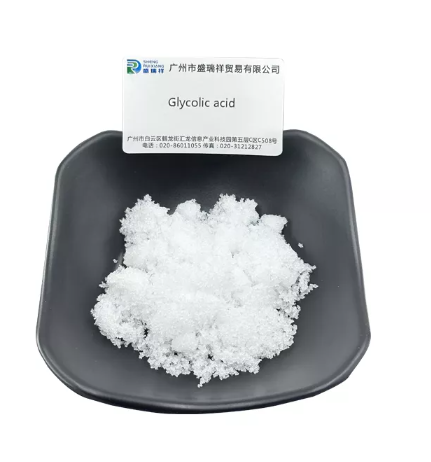
Do Cosmetic Raw Materials follow strict rules? This question matters for every brand, big or small. Ensuring the quality of raw materials is not just a regulatory obligation but also a cornerstone of consumer safety, product performance, and brand reputation. Poor-quality raw materials can compromise formulations, reduce shelf life, or even pose health risks to end-users. This article explores how quality standards for cosmetic raw materials are established, enforced, and verified. You will learn what these standards mean in practical terms, why they differ across regions, and how manufacturers and suppliers maintain compliance to deliver safe, stable and high-performing products.
What Quality Standards for Cosmetic Raw Materials Actually Mean
Quality standards define how safe, stable, and compliant a raw material must be before it is used in any cosmetic formulation. These standards extend across multiple dimensions, including chemical composition, physical properties, microbiological safety, and compliance with regulatory requirements. By following strict quality guidelines, manufacturers ensure that raw materials behave predictably during production and in finished products. These standards also protect consumers, prevent costly recalls, and provide a framework for consistent product performance, supporting brands in meeting both legal requirements and consumer expectations.
Purity and contaminant thresholds
Cosmetic Raw Materials must meet rigorous purity specifications, as any presence of contaminants could compromise safety or efficacy. Materials cannot contain harmful levels of heavy metals, residual solvents, or other by-products from processing. For example, ingredients such as UV filters, colorants, or pigments often require thorough screening for metals like lead, arsenic, or mercury, as even trace amounts can pose significant health risks. To ensure compliance, suppliers typically provide a Certificate of Analysis (COA) that verifies each batch meets the required purity thresholds, offering brands a documented assurance of safety and regulatory conformity.
Stability under heat, light, and storage
A raw material must maintain its stability throughout manufacturing processes, transportation, and the product’s shelf life. Instability can result in changes such as odor shifts, discoloration, chemical decomposition, or the formation of toxic by-products, which compromise both safety and performance. Certain categories of ingredients, such as UV filters, antioxidants, and botanical extracts, are particularly vulnerable to environmental stressors like heat, light, and humidity. Stability testing under controlled conditions allows manufacturers to anticipate potential issues, select appropriate storage conditions, and design formulations that remain effective and safe for consumers over time.
Toxicological safety baselines
Suppliers are responsible for providing comprehensive safety data on raw materials, including results from irritation, sensitization, or cytotoxicity tests. These data form the foundation for manufacturers to conduct product-level risk assessments and ensure that the final cosmetic product does not cause adverse effects when used as intended. By establishing clear toxicological baselines, brands can prevent safety incidents, demonstrate regulatory compliance, and maintain consumer trust. Safety data also guide formulators in selecting appropriate concentrations and combinations of ingredients to mitigate potential risks while achieving desired product benefits.
Compatibility within a formulation
Not all raw materials interact harmoniously within a cosmetic formula. Some ingredients may destabilize emulsions, cause pH drift, or reduce the efficacy of preservatives, potentially leading to microbial growth or reduced product performance. Compatibility rules help formulators anticipate these interactions and design stable, safe, and effective products. Rigorous testing, including small-batch pilot studies and pH monitoring, ensures that each component functions as intended within the final product. These proactive measures prevent formulation failures, maintain product quality, and ensure a consistent experience for consumers.
Microbial limits
Powders, botanical extracts, and naturally derived ingredients often carry inherent microbial risks, such as bacteria, yeast, or mold. Standards define acceptable colony counts and specify validated test methods to verify microbial safety. Raw materials exceeding these limits can compromise product stability, shorten shelf life, and pose health risks to consumers. Microbial testing is therefore a critical component of quality assurance, ensuring that ingredients meet stringent safety standards before inclusion in formulations and that final products maintain consumer trust and regulatory compliance.

How Manufacturers Verify the Quality of Cosmetic Raw Materials
Verification processes confirm that cosmetic raw materials meet safety, purity, and performance expectations before use. Manufacturers combine document reviews, testing protocols, and audits to ensure compliance. These measures not only protect consumers but also safeguard brand reputation, reduce recall risks, and support consistent formulation quality. A comprehensive verification system enables brands to identify potential issues early, maintain regulatory adherence, and implement corrective actions proactively, ensuring each batch of raw material is reliable and safe for production.
COA and supplier documentation
Manufacturers request detailed supplier documentation, including Certificates of Analysis (COA), Safety Data Sheets (SDS), allergen statements, non-animal testing declarations, and regulatory status reports (e.g., EU Annexes, MoCRA, REACH, Prop 65). These documents provide evidence that raw materials meet required standards and offer traceability in the supply chain. Proper documentation enables brands to verify compliance, respond to regulatory inspections efficiently, and demonstrate due diligence in sourcing high-quality, safe ingredients.
In-vitro and in-vivo testing
Safety substantiation often involves in-vitro and in-vivo testing, including cytotoxicity assays, irritation tests, sensitization studies, and stability assessments. These tests provide scientific evidence of safety and performance under various conditions. By evaluating raw materials in controlled laboratory settings, manufacturers can anticipate potential risks, optimize formulations, and ensure products meet both regulatory requirements and consumer expectations for safety and efficacy.
Stability and compatibility checks
Manufacturers conduct stability and compatibility studies to evaluate raw material performance under stress conditions, such as heat exposure, UV light, and pH shifts. Compatibility with emulsifiers, preservatives, and other formulation components is also tested to prevent instability, separation, or degradation. These evaluations help formulators design robust, long-lasting products while avoiding unexpected interactions that could compromise safety or product quality.
Microbial and impurity testing
Raw materials undergo microbial testing, including total aerobic count, yeast and mold assessment, heavy metal screening, and residual solvent analysis. Testing frequency depends on ingredient risk level, supply chain complexity, and regulatory requirements. By conducting rigorous microbial and impurity testing, manufacturers ensure that ingredients are safe for consumer use, maintain product stability, and comply with global regulatory standards. Testing frequency depends on ingredient risk level, supply chain complexity, and regulatory audits.
Supplier Responsibilities in Raw Material Quality Management
Suppliers play a central role in maintaining the quality of cosmetic raw materials. They implement GMP, maintain controlled facilities, train personnel, and provide transparent documentation. Suppliers must also communicate changes in extraction methods, preservative systems, or sourcing locations and ensure compliance with evolving global bans and limits. By maintaining robust quality systems and participating in audits, suppliers support manufacturers in producing safe, stable, and regulatory-compliant products.
Implementing ISO 22716 GMP
Good Manufacturing Practices (GMP) govern every stage of raw material production, storage, handling, and documentation. Suppliers must maintain controlled facilities, implement rigorous hygiene protocols, and ensure all personnel are adequately trained. Adherence to ISO 22716 guarantees consistent quality, reduces contamination risks, and ensures that raw materials meet international standards, supporting manufacturers in delivering safe and reliable cosmetic products to global markets.
Supplier audits and transparency
Manufacturers may conduct audits to evaluate suppliers’ quality systems, hygiene practices, batch consistency, and documentation accuracy. Transparency in operations and prompt reporting of deviations or issues are critical for maintaining trust and ensuring compliance. Audits help identify potential risks, verify adherence to standards, and provide actionable insights for continuous improvement, ultimately supporting a reliable supply chain and high-quality product output.
Managing reformulation and raw material changes
Any changes in extraction methods, preservative systems, ingredient purity, or supplier location must be communicated promptly to manufacturers. Failure to disclose such changes can compromise formulation stability or regulatory compliance. Proactive communication ensures that any necessary adjustments are made to maintain product safety, performance, and market readiness. It also supports documentation accuracy, enabling brands to demonstrate compliance to regulators and customers.
Ensuring compliance with bans and limits
Suppliers must continuously monitor evolving global regulations to avoid shipping non-compliant materials. This includes tracking prohibited substances, concentration limits, and labeling requirements in various regions. Multi-supplier redundancy for high-risk materials is recommended to reduce business interruptions and ensure continuous access to compliant raw materials, minimizing risks to production timelines and brand reputation. Build multi-supplier redundancy for high-risk materials to reduce business interruption.
Conclusion
Cosmetic Raw Materials rely on strict global standards that protect users and strengthen product safety. These rules guide purity, stability, and compliance, helping brands reduce risk and build trust. Strong control systems support better formulas and more reliable outcomes. Shengruixiang delivers consistent value through stable quality and dependable service.
FAQ
Q: Do Cosmetic Raw Materials follow global quality standards?
A: Yes, Cosmetic Raw Materials must meet purity, safety, and stability rules defined by cosmetic raw materials quality standards.
Q: Why are quality standards important for Cosmetic Raw Materials?
A: These standards help ensure each Cosmetic Raw Materials ingredient remains safe and consistent during use.
Q: How do brands verify cosmetic raw materials quality standards?
A: They review documents, test samples, and confirm each material meets the required Cosmetic Raw Materials criteria.